
Why Cats Stop Using the Litter Box - and What To Do About It

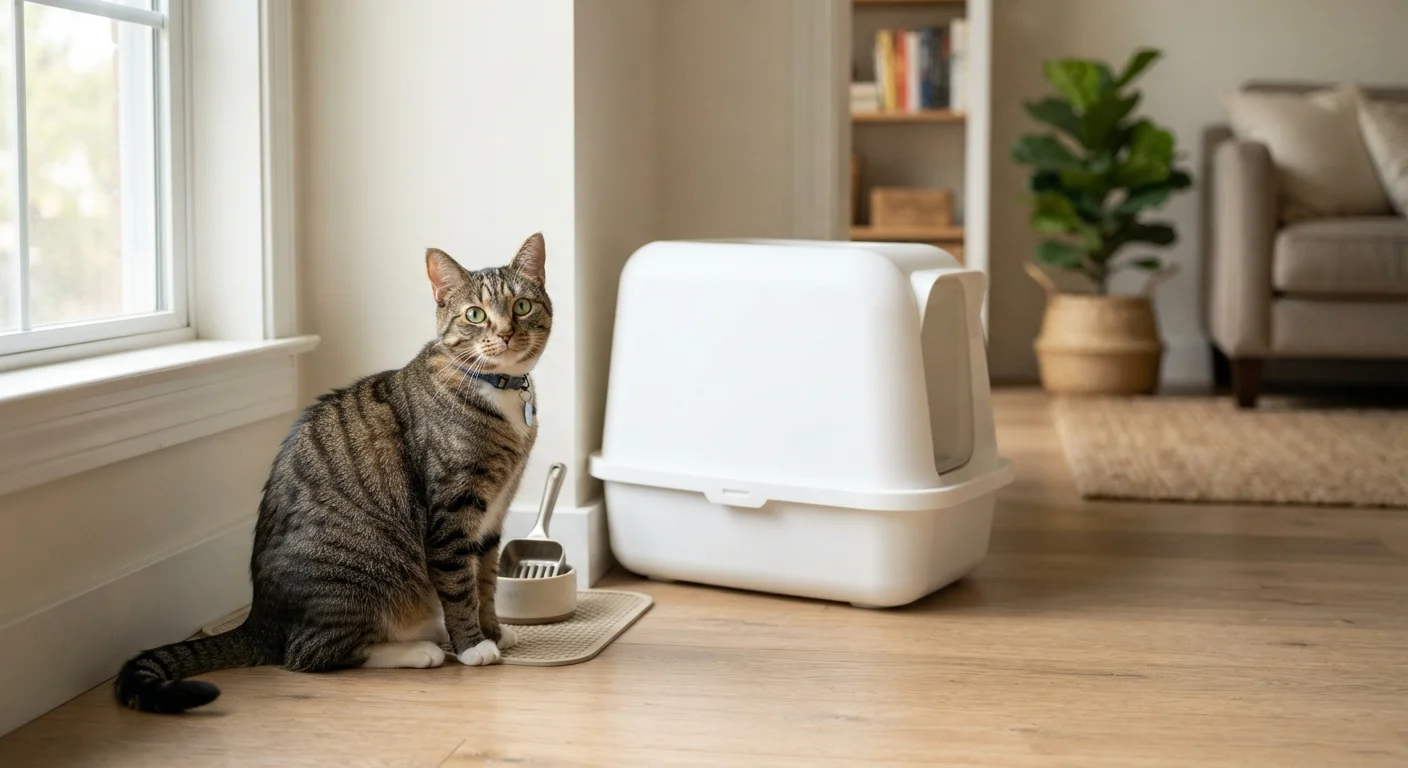
Photo: InsightsBlock.com | Access Information With Ease editorial
Key Takeaways
- Medical issues like urinary tract infections are a leading cause of sudden litter box avoidance and require a vet visit.
- Cats are highly sensitive to litter box cleanliness, location, size, and litter type - small changes can trigger avoidance.
- Stress from household changes, new pets, or territorial conflict can cause cats to eliminate outside the box.
- A general rule of thumb is one litter box per cat, plus one extra, placed in quiet, accessible locations.
- Never punish a cat for eliminating outside the box - it increases anxiety and makes the problem worse.
Why This Problem Deserves Serious Attention
Litter box avoidance is consistently ranked among the top reasons cat owners seek veterinary or behavioral guidance - and it's also one of the leading causes of cats being surrendered to shelters. The good news is that most cases are solvable once you identify the underlying cause.
The key distinction to make first is whether the problem is medical or behavioral. A cat who suddenly stops using the box - especially if straining, crying, or producing blood in the urine - may have a urinary tract infection, bladder stones, or another condition requiring immediate veterinary attention. Never assume the cause is behavioral until a medical cause has been ruled out. If the problem developed gradually or follows a pattern tied to household changes, behavioral factors are more likely at play.
If you've recently welcomed a cat into your home, setting up the litter box correctly from day one matters enormously. See our guide to bringing a cat home for the first time for setup recommendations.
Common Mistakes That Lead to Litter Box Problems
Most litter box avoidance isn't random - it's a response to conditions the cat finds unacceptable. Understanding the specific mistakes that trigger the behavior helps you fix the right problem.
Not cleaning the litter box frequently enough.
Placing the litter box in a loud, high-traffic, or hard-to-reach location.
Using heavily scented litters or cleaning products with strong fragrances.
Not providing enough litter boxes for the number of cats in the home.
Assuming the problem is purely behavioral without ruling out a medical cause.
Punishing the cat after finding an accident.
Stress is another underappreciated factor. A new pet, a move, construction noise, or even rearranged furniture can push a cat into anxious elimination outside the box. Our guide to stress signs in cats can help you recognize whether anxiety is contributing. In multi-cat homes, competition and territorial tension are especially common triggers - introducing a second cat carefully can prevent many of these problems before they start.
Rule Out Medical Causes First
Rebuilding Good Litter Box Habits
Once you've identified and addressed the root cause, you can help your cat re-establish positive associations with the litter box. Start by thoroughly cleaning any areas where the cat has eliminated outside the box using an enzymatic cleaner - standard household cleaners often leave behind odor traces that continue attracting the cat back to the same spot.
If the box itself has become associated with discomfort or fear, try introducing a new box in a slightly different location. Offer the cat a choice of two litter types simultaneously to observe what they prefer. Make access easy: no covered lids for cats who dislike enclosed spaces, no high sides for senior or arthritic cats, and no placement near loud appliances like washing machines.
Be patient. Rebuilding trust and habit takes time - sometimes weeks. Consistency in cleaning schedules and avoiding further disruptions gives the cat the stability it needs to return to reliable box use. If the problem persists despite environmental corrections and a clean bill of health, a veterinary behaviorist or certified applied animal behaviorist can provide targeted guidance.
This article is for general informational purposes only and does not constitute veterinary or medical advice. Always consult a licensed veterinarian for concerns about your cat's health or behavior.
The content provided on our blog site traverses numerous categories, offering readers valuable and practical information. Readers can use the editorial team’s research and data to gain more insights into their topics of interest. However, they are requested not to treat the articles as conclusive. The website team cannot be held responsible for differences in data or inaccuracies found across other platforms. Please also note that the site might also miss out on various schemes and offers available that the readers may find more beneficial than the ones we cover.