
Guinea Pig Housing That Actually Works

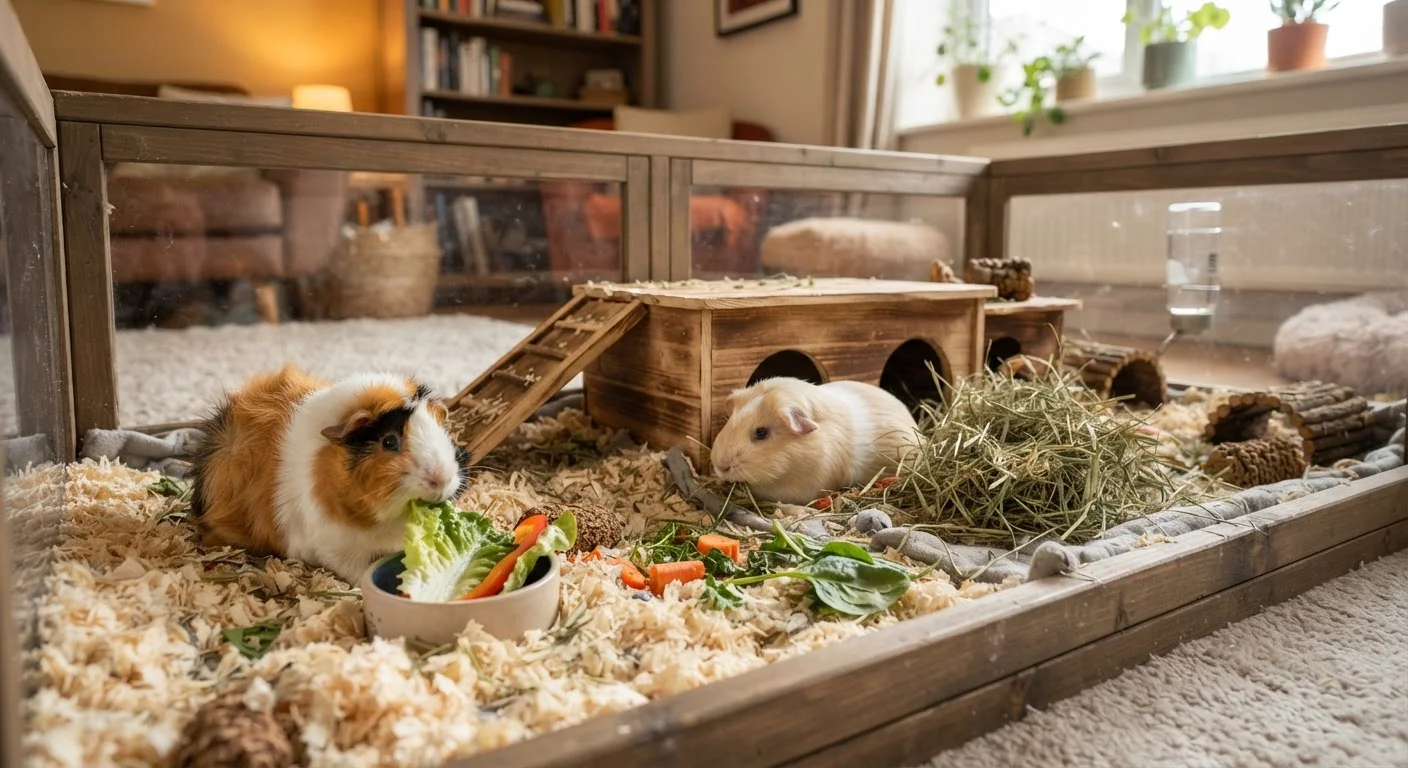
Photo: InsightsBlock.com | Access Information With Ease editorial
Key Takeaways
- Guinea pigs need significantly more floor space than most store-bought cages provide - at least 7.5 sq ft for one pig.
- Solid-bottom enclosures with appropriate bedding protect sensitive feet from injuries like bumblefoot.
- Adequate ventilation prevents respiratory illness, making open-top or wire-sided designs preferable to aquariums.
- Herd animals by nature, guinea pigs generally do better when housed with at least one compatible companion.
- Enrichment - including hideouts, tunnels, and foraging opportunities - is essential, not optional.
Why the Right Enclosure Is the Foundation of Guinea Pig Health
Guinea pigs are active, social animals with specific physical and behavioral needs that directly depend on where and how they live. Poor housing is one of the most common - and preventable - causes of health and behavioral problems in pet guinea pigs. Before selecting bedding or accessories, understanding the non-negotiables of enclosure size and construction makes everything else fall into place.
The minimum recommended floor space for a single guinea pig is approximately 7.5 square feet, with most guinea pig welfare organizations suggesting 10.5 square feet or more for a pair. Most cages sold in general pet sections fall well below these thresholds. Compact enclosures restrict movement and contribute to obesity, boredom, and stress-related behaviors. If you're also thinking about long-term commitment, the typical guinea pig lifespan of 4-8 years means a housing investment that lasts.
Bedding, Flooring, and Daily Maintenance
The floor surface inside a guinea pig enclosure affects paw health, respiratory function, and overall hygiene. Wire-grid floors - once common - are now widely discouraged by veterinarians because they cause a painful foot condition called bumblefoot (ulcerative pododermatitis). Always opt for solid-bottom enclosures.
On top of the solid floor, bedding provides cushioning, absorbs moisture, and helps control odor. Common options include paper-based bedding, kiln-dried aspen shavings, and fleece liners. Each has trade-offs: paper bedding is highly absorbent and disposable; fleece liners are reusable and soft but require frequent laundering. Avoid cedar and pine shavings, as the aromatic oils can irritate guinea pig respiratory tracts.
Fleece Liners: A Reusable Bedding Alternative
Spot-cleaning daily and doing a full bedding change every 3-5 days prevents ammonia buildup, which can cause chronic respiratory irritation even when odor seems manageable to humans. For a broader look at housing principles that apply across small mammal species, see the complete small pet owner's reference.
Ventilation, Temperature, and Placement
Guinea pigs are highly vulnerable to respiratory illness, and poor airflow dramatically increases that risk. Aquarium-style tanks, despite being visually appealing, trap moisture and ammonia inside the enclosure. Wire-sided enclosures or open-top C&C (cubes and coroplast) setups allow consistent air exchange and are strongly preferred.
Aquarium Tanks Are Not Recommended for Guinea Pigs
Temperature is equally important. Guinea pigs are sensitive to both heat and cold, thriving best in environments between 65°F and 75°F (18°C-24°C). They do not tolerate temperatures above 80°F well and can experience heat stroke quickly. Place enclosures away from direct sunlight, heating vents, air conditioning drafts, and exterior walls that fluctuate with outdoor temperatures.
Companionship, Enrichment, and Behavioral Needs
Guinea pigs are herd animals. In the wild, they live in social groups, and isolation can cause genuine psychological distress - expressed through lethargy, repetitive behaviors, or excessive vocalizing. Housing at least two compatible guinea pigs together (typically same-sex pairs, or neutered pairs) is widely recommended by small animal veterinarians and welfare groups.
Enrichment inside the enclosure is just as important as its dimensions. Hideouts - one per pig plus one extra - give each animal a private space and reduce conflict. Tunnels, foraging toys stuffed with hay, and safe chew items address natural behaviors and prevent boredom. Hay should always be available in unlimited quantities; it comprises the majority of a healthy guinea pig diet and also serves as environmental enrichment.
For owners weighing guinea pigs against other small pets, it's worth understanding that their social and space needs differ considerably from solitary species - the differences between gerbils and hamsters article illustrates how much housing needs vary even within small mammals. Similarly, rabbit ownership trade-offs are worth reviewing if you're considering a larger social pet.
This article is for general informational purposes only and does not constitute veterinary advice. Consult a qualified exotic animal veterinarian for guidance specific to your guinea pig's health and housing situation.
The content provided on our blog site traverses numerous categories, offering readers valuable and practical information. Readers can use the editorial team’s research and data to gain more insights into their topics of interest. However, they are requested not to treat the articles as conclusive. The website team cannot be held responsible for differences in data or inaccuracies found across other platforms. Please also note that the site might also miss out on various schemes and offers available that the readers may find more beneficial than the ones we cover.