
The Nitrogen Cycle in Fish Tanks: What Every Aquarium Owner Should Understand

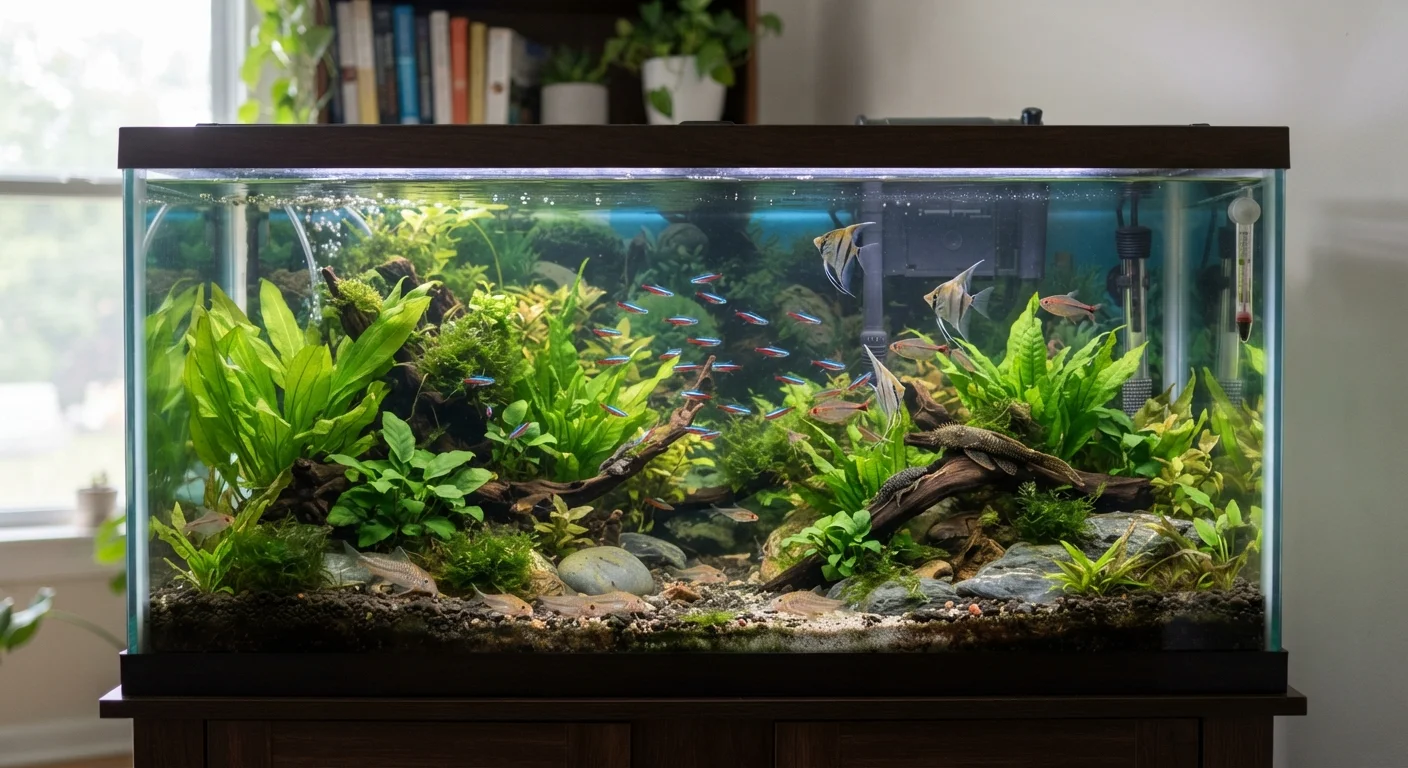
Photo: InsightsBlock.com | Access Information With Ease editorial
Key Takeaways
- Ammonia from fish waste is toxic and must be converted by bacteria before it accumulates to dangerous levels.
- The cycling process typically takes three to six weeks to establish in a new tank.
- Fish deaths in new tanks are often caused by ammonia or nitrite spikes, not disease.
- Regular partial water changes are the primary way to control nitrate levels long-term.
- An aquarium test kit is an essential tool - you cannot see water chemistry problems with the naked eye.
Why the Nitrogen Cycle Is the Foundation of Fish Keeping
Every aquarium, no matter how beautifully decorated, is a closed ecosystem. Unlike a lake or river where water moves continuously, a fish tank recirculates the same water indefinitely. That means everything fish produce - waste, uneaten food, decaying plant matter - stays in the system unless something breaks it down or removes it.
That "something" is the nitrogen cycle. Fish excrete ammonia directly through their gills and in their waste, and ammonia is acutely toxic even at very low concentrations. In a properly established tank, beneficial bacteria convert ammonia first into nitrite (also toxic) and then into nitrate, which is relatively harmless at moderate levels. Regular water changes export that final nitrate before it builds up.
New aquarium owners who skip or rush this process often face what the hobby calls "new tank syndrome" - a wave of preventable fish deaths caused by invisible water chemistry problems. Understanding the cycle is not optional advanced knowledge; it is the baseline for keeping any fish alive and healthy. See our guide to setting up your first freshwater aquarium for a practical walkthrough of the cycling process from day one.
0.5 ppm
Ammonia level considered stressful for most fish
Many aquatic health references cite 0.5 mg/L (ppm) of total ammonia as the threshold at which chronic stress and gill damage begin in common freshwater species.
3-6 weeks
Typical time to establish a new tank cycle
The time required for sufficient bacterial colonies to develop and stabilize varies with water temperature, ammonia source, and whether seed bacteria are introduced from an established tank.
<40 ppm
Nitrate level generally considered safe for most fish
Most aquarium care guidelines recommend keeping nitrate below 40 ppm for community fish, though some sensitive species and planted tanks benefit from levels below 20 ppm.
The Three Stages of the Cycle Explained
The nitrogen cycle moves through three distinct chemical stages, each driven by biological activity in your tank.
Stage 1: Ammonia Accumulation
Ammonia enters the water from fish waste, uneaten food, and the decomposition of any organic material. In a new tank with no established bacteria, ammonia builds rapidly. Even a single fish in an uncycled tank can push ammonia to dangerous levels within days.
Stage 2: Nitrite Conversion
Once ammonia-oxidizing bacteria (primarily Nitrosomonas species) establish a colony, they begin converting ammonia into nitrite. This is progress - but nitrite is also highly toxic to fish, interfering with their blood's ability to carry oxygen. During a new tank cycle, you'll often see ammonia drop while nitrite spikes, which can be just as dangerous.
Stage 3: Nitrate Production
A second bacterial group, primarily Nitrospira, then converts nitrite into nitrate. Nitrate is far less harmful and can be tolerated by most fish at levels below 40 parts per million (ppm), though lower is better. Once both bacterial colonies are stable and ammonia and nitrite readings consistently reach zero, your tank is considered fully cycled.
Testing Your Water: The Only Way to Know What's Happening
Water chemistry is invisible. A tank can look crystal clear and still contain lethal ammonia levels. This is why a liquid-based aquarium test kit - one that measures ammonia, nitrite, nitrate, and pH - is considered essential equipment, not an optional extra.
During the initial cycle, test your water every two to three days and keep a log of readings. You're watching for the classic cycling pattern: ammonia rises, then falls as nitrite climbs, then nitrite falls as nitrate appears. When ammonia and nitrite both read zero and nitrate is detectable, the cycle is complete.
Use Liquid Test Kits Over Strip Tests
Ongoing testing matters too, not just during setup. Sudden changes in stocking levels, medication use, filter failures, or overfeeding can all disrupt an established cycle. Getting into the habit of testing monthly - and immediately if fish show stress signs - catches problems before they become crises. For a broader view of how environmental factors affect your aquarium, our article on keeping fish healthy through seasonal temperature changes covers how shifts in room temperature can compound water chemistry instability.
Keeping Your Cycle Stable Long-Term
Once established, a nitrogen cycle is resilient but not indestructible. Several common mistakes can stall or crash it, leaving fish vulnerable.
- Overfeeding: Uneaten food decays and floods the system with ammonia. Feed only what fish consume in two to three minutes.
- Overstocking: More fish means more waste than bacteria can process. Introduce new fish gradually, giving bacteria time to grow to match the increased load.
- Medication use: Some treatments are antibacterial and can damage the beneficial bacteria in your filter. Where possible, treat fish in a separate hospital tank.
- Tap water chlorine: Always use a dechlorinator when adding tap water during water changes. Chlorine kills bacteria colonies and can partially crash your cycle.
For a comprehensive look at fish care alongside other small pets, the Small Pet Care complete owner's reference covers aquarium health alongside diet, housing, and veterinary considerations for a range of species.
This article provides general educational information about aquarium care and is not a substitute for guidance from a veterinarian or aquatic specialist familiar with your specific fish species and setup.
Frequently Asked Questions
The content provided on our blog site traverses numerous categories, offering readers valuable and practical information. Readers can use the editorial team’s research and data to gain more insights into their topics of interest. However, they are requested not to treat the articles as conclusive. The website team cannot be held responsible for differences in data or inaccuracies found across other platforms. Please also note that the site might also miss out on various schemes and offers available that the readers may find more beneficial than the ones we cover.