
What New Hamster Owners Get Wrong in the First Month

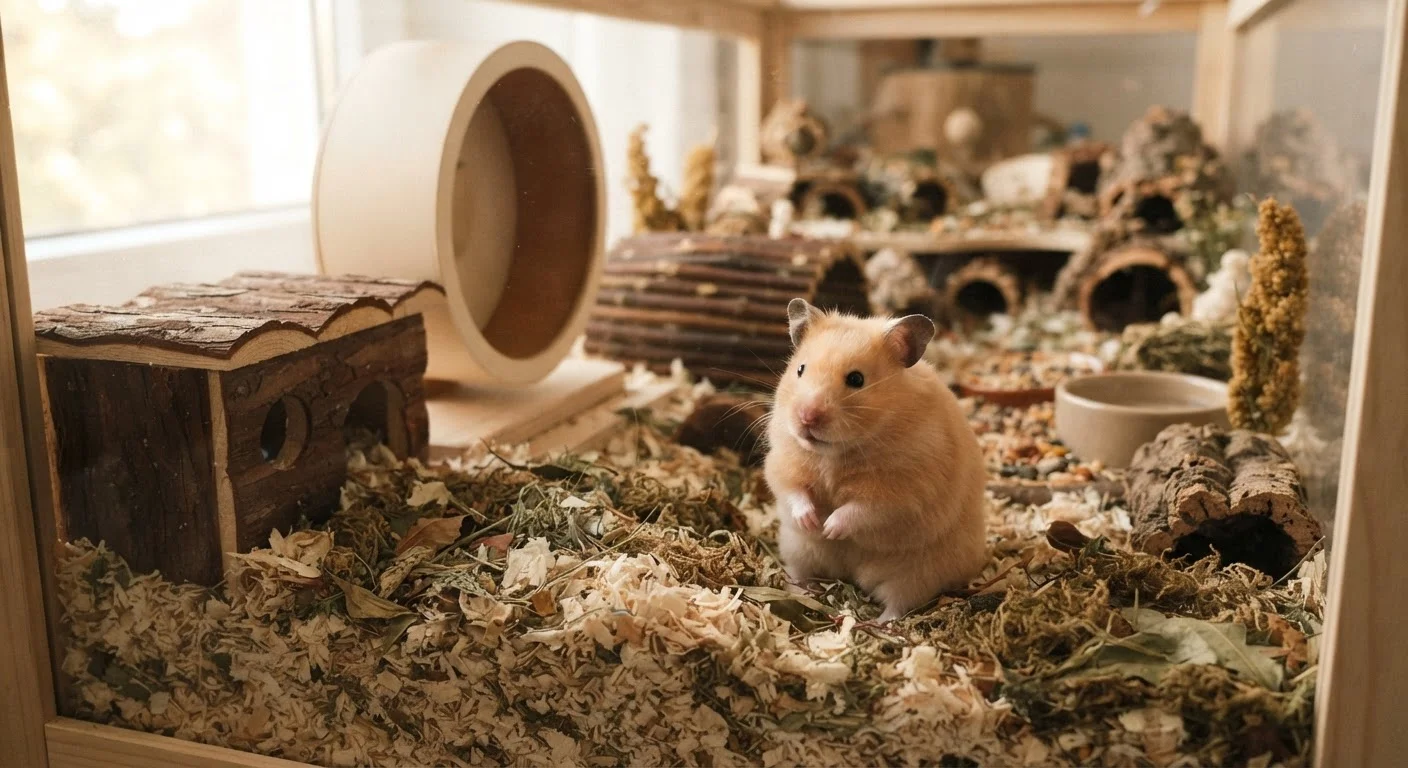
Photo: InsightsBlock.com | Access Information With Ease editorial
Key Takeaways
- Hamsters need at least 48-72 hours of undisturbed settling time before any handling attempts.
- Enclosures smaller than 40 gallons are widely considered too cramped for a hamster's physical and mental health.
- A silent, appropriately sized exercise wheel is essential - not optional - for hamster wellbeing.
- Hamsters are crepuscular and nocturnal; disturbing them during the day causes chronic stress.
- A varied diet of high-quality hamster mix, fresh vegetables, and occasional protein supports long-term health.
Why the First Month Sets the Tone
Hamsters are deceptively low-maintenance pets on the surface - small, quiet, and contained. That impression leads many new owners to skip important preparation steps, assuming the learning curve is minimal. In reality, the first four weeks are when the most consequential mistakes happen, and some of them can have lasting effects on a hamster's health, behavior, and trust in humans.
Unlike dogs or cats, hamsters communicate stress in subtle ways. A hamster that bites, hides constantly, or moves erratically isn't being difficult - it's telling you something is wrong. Understanding that signal requires knowing what mistakes to watch for before they become entrenched habits. For a broader look at setting up care routines for small mammals, see the complete small pet care reference.
The Most Common Early Mistakes
The errors below aren't signs of bad ownership - they're predictable gaps between good intentions and species-specific knowledge. Here's what to watch for and why each one matters.
Handling the hamster too soon after bringing it home.
Choosing an enclosure that is far too small.
Using shallow bedding that prevents burrowing.
Buying a wheel that is too small or too loud.
Waking the hamster during the day to interact.
Feeding only commercial seed mixes and nothing else.
If you're weighing hamsters against similar small pets, the gerbils vs. hamsters comparison covers key differences in temperament and care needs that may influence your setup decisions.
Building Good Habits Before Problems Start
Watch for Signs of Stress Before They Escalate
Most hamster care mistakes share a common root: applying assumptions from dog or cat ownership to an animal with very different biology and instincts. Hamsters are prey animals with strong stress responses, solitary tendencies (in most species), and activity patterns tied to low-light hours. Respecting those traits from day one makes everything easier - taming goes faster, health problems are less frequent, and the hamster becomes a genuinely enjoyable companion.
A simple daily routine helps: check food and water in the evening when your hamster is naturally waking up, spot-clean the enclosure every two to three days, and do a full substrate change every three to four weeks depending on enclosure size. Keep noise and vibration near the habitat low during daylight hours. These habits cost nothing but consistency, and they make a measurable difference. For context on how this first-pet experience compares to bringing home other animals, see our guide on bringing a cat home for the first time.
This article provides general information about hamster care and is not a substitute for advice from a veterinarian experienced with small mammals. If you have concerns about your hamster's health or behavior, consult a qualified exotic animal vet.
The content provided on our blog site traverses numerous categories, offering readers valuable and practical information. Readers can use the editorial team’s research and data to gain more insights into their topics of interest. However, they are requested not to treat the articles as conclusive. The website team cannot be held responsible for differences in data or inaccuracies found across other platforms. Please also note that the site might also miss out on various schemes and offers available that the readers may find more beneficial than the ones we cover.