
One-Bag Travel: The Tradeoffs Nobody Talks About

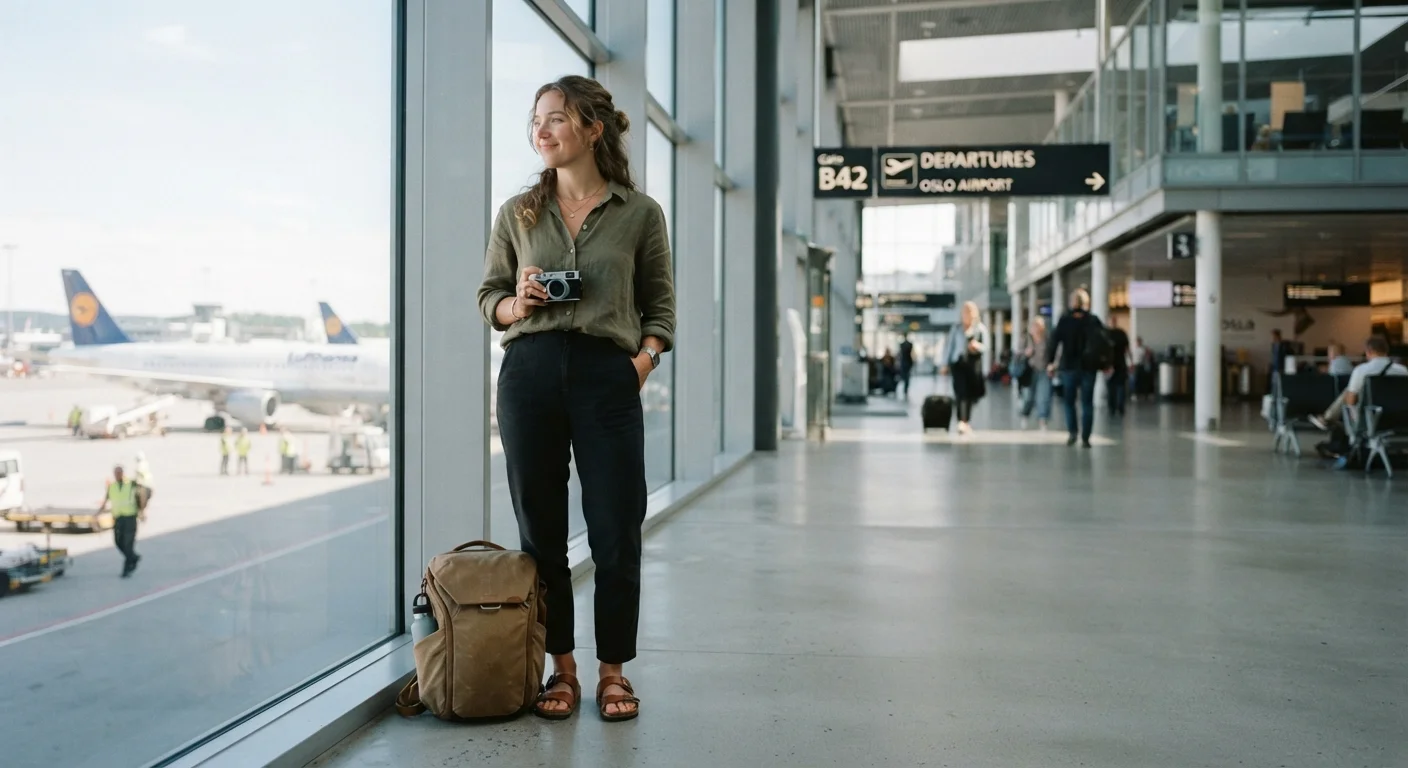
Photo: InsightsBlock.com | Access Information With Ease editorial
Key Takeaways
- One-bag travel eliminates checked baggage fees and speeds up airport transit significantly.
- Packing everything into a single carry-on forces genuine prioritization but limits wardrobe flexibility.
- Trip length, destination climate, and activity type all affect whether one-bag travel is realistic.
- Laundry planning and multi-use gear are essential strategies, not optional extras.
- One-bag travel suits some travelers exceptionally well - and genuinely doesn't suit others.
No checked baggage fees - ever
Checked bag fees on domestic US flights typically run $30-$40 per bag each way, adding up quickly on multi-leg trips. One-bag travelers eliminate this cost entirely on every flight.
Faster through airports and transit hubs
Skipping baggage drop and baggage claim can save 30-60 minutes per flight. On connecting trips or tight layovers, that time margin is genuinely meaningful.
No risk of lost or delayed luggage
A bag that stays with you can't be misrouted by an airline. This alone is a major stress reducer on international trips with tight connections.
Greater mobility between destinations
Navigating cobblestone streets, metro stairs, or overnight trains is significantly easier with one manageable pack rather than rolling luggage or multiple bags.
Forces intentional, purposeful packing
Hard limits on space eliminate the "just in case" items that rarely get used but always add weight. Many travelers report feeling genuinely lighter - mentally as well as physically.
Severe limits on clothing variety
A carry-on bag typically holds enough clothing for four to six days without repeating outfits. Longer trips require either laundry stops or accepting outfit repetition, which some travelers find uncomfortable.
Laundry becomes a travel obligation
Washing clothes on the road - whether at a laundromat, in a sink, or at an accommodation - takes real time and planning. It's manageable but not effortless, especially in destinations where facilities are limited.
Special-trip gear rarely fits
Ski equipment, snorkeling gear, hiking boots, formal wear, or baby supplies often cannot realistically fit alongside everyday travel essentials in a single carry-on-sized bag.
Bag weight and ergonomics matter more
When one bag must hold everything, its weight and how it sits on your body become critical. A poorly fitted or overloaded bag causes discomfort that compounds over a long travel day.
Airline carry-on policies vary globally
Some budget carriers outside the US enforce stricter size and weight limits on carry-on bags than US domestic airlines. A bag that fits comfortably on one airline may require gate-checking on another.
What One-Bag Travel Actually Means
One-bag travel means carrying a single pack - typically a carry-on-sized backpack or bag - that serves as your only luggage for an entire trip. No checked bag. No rolling suitcase checked at the gate. Just one bag that goes with you onto the plane, onto the train, and through every doorway on your itinerary.
The approach has a devoted community of practitioners who swear by it, and their enthusiasm is backed by real advantages. But it also involves genuine compromises that advocates sometimes gloss over. Before committing to the method, it helps to understand both sides with clear eyes. For a broader look at how packing choices shape your travel experience, the Trip Planning Essentials hub covers the full picture.
No checked baggage fees - ever
Checked bag fees on domestic US flights typically run $30-$40 per bag each way, adding up quickly on multi-leg trips. One-bag travelers eliminate this cost entirely on every flight.
Faster through airports and transit hubs
Skipping baggage drop and baggage claim can save 30-60 minutes per flight. On connecting trips or tight layovers, that time margin is genuinely meaningful.
No risk of lost or delayed luggage
A bag that stays with you can't be misrouted by an airline. This alone is a major stress reducer on international trips with tight connections.
Greater mobility between destinations
Navigating cobblestone streets, metro stairs, or overnight trains is significantly easier with one manageable pack rather than rolling luggage or multiple bags.
Forces intentional, purposeful packing
Hard limits on space eliminate the "just in case" items that rarely get used but always add weight. Many travelers report feeling genuinely lighter - mentally as well as physically.
The Real Costs and Constraints
The limitations of one-bag travel aren't hypothetical - they're practical friction points that show up on real trips. Clothing variety is the most common pain point. A single bag can typically hold three to five days of clothing, which means laundry becomes a scheduled travel activity rather than something you handle at home afterward.
Special-purpose trips add complexity fast. Ski trips, beach vacations requiring multiple shoe types, weddings demanding formal attire, or extended outdoor adventures with technical gear can all push a single pack well past its comfortable capacity. It's worth reading through overpacking patterns most travelers don't notice to understand how packing decisions compound in both directions - too much and too little both create problems.
Severe limits on clothing variety
A carry-on bag typically holds enough clothing for four to six days without repeating outfits. Longer trips require either laundry stops or accepting outfit repetition, which some travelers find uncomfortable.
Laundry becomes a travel obligation
Washing clothes on the road - whether at a laundromat, in a sink, or at an accommodation - takes real time and planning. It's manageable but not effortless, especially in destinations where facilities are limited.
Special-trip gear rarely fits
Ski equipment, snorkeling gear, hiking boots, formal wear, or baby supplies often cannot realistically fit alongside everyday travel essentials in a single carry-on-sized bag.
Bag weight and ergonomics matter more
When one bag must hold everything, its weight and how it sits on your body become critical. A poorly fitted or overloaded bag causes discomfort that compounds over a long travel day.
Airline carry-on policies vary globally
Some budget carriers outside the US enforce stricter size and weight limits on carry-on bags than US domestic airlines. A bag that fits comfortably on one airline may require gate-checking on another.
Making One-Bag Work in Practice
Travelers who succeed with one bag consistently rely on a few core strategies. A capsule wardrobe built around neutral colors and layering means fewer items cover more outfit combinations. Merino wool and synthetic fabrics that resist odor and dry quickly reduce how often you need to wash. Shoes - typically the heaviest and bulkiest items - get capped at two pairs maximum, chosen to work across multiple contexts.
Laundry planning shifts from an afterthought to a genuine itinerary consideration. Many experienced one-bag travelers book accommodations with in-room sinks or laundry access, or identify laundromats along their route in advance. The packing strategies frequent travelers actually use - rolling, bundling, and the capsule wardrobe approach - directly support the one-bag method when applied with intention.
Airline Size Rules Vary More Than You'd Expect
Gear selection matters enormously. Multi-use accessories that solve real problems earn their place; single-purpose items rarely do. The gear that earns its weight framework is a useful filter when deciding what makes the cut.
Who Should (and Shouldn't) Try It
One-bag travel tends to reward travelers who move frequently between destinations, prioritize spontaneity over wardrobe variety, and find the airport experience genuinely stressful when managing multiple bags. It pairs naturally with slower travel philosophies too - when you're staying somewhere for a week, doing laundry mid-trip feels far less disruptive.
It suits the method less well for travelers with young children, those attending events requiring specialized attire, anyone managing medical equipment or mobility aids, or trips to destinations with extreme temperature swings requiring bulky layers. If you're exploring whether a smaller footprint is right without going fully one-bag, carry-on only travel offers a useful middle ground worth considering first.
$30-$40
Typical US domestic checked bag fee, one way
Major US airlines commonly charge this range per checked bag each direction, making a round trip add $60-$80 per bag before other costs.
~30 min
Average time saved skipping baggage claim
Travel industry observers generally estimate 20-40 minutes saved per flight when travelers bypass both baggage drop and baggage claim entirely.
The content provided on our blog site traverses numerous categories, offering readers valuable and practical information. Readers can use the editorial team’s research and data to gain more insights into their topics of interest. However, they are requested not to treat the articles as conclusive. The website team cannot be held responsible for differences in data or inaccuracies found across other platforms. Please also note that the site might also miss out on various schemes and offers available that the readers may find more beneficial than the ones we cover.