
Home Organization on a Tight Budget

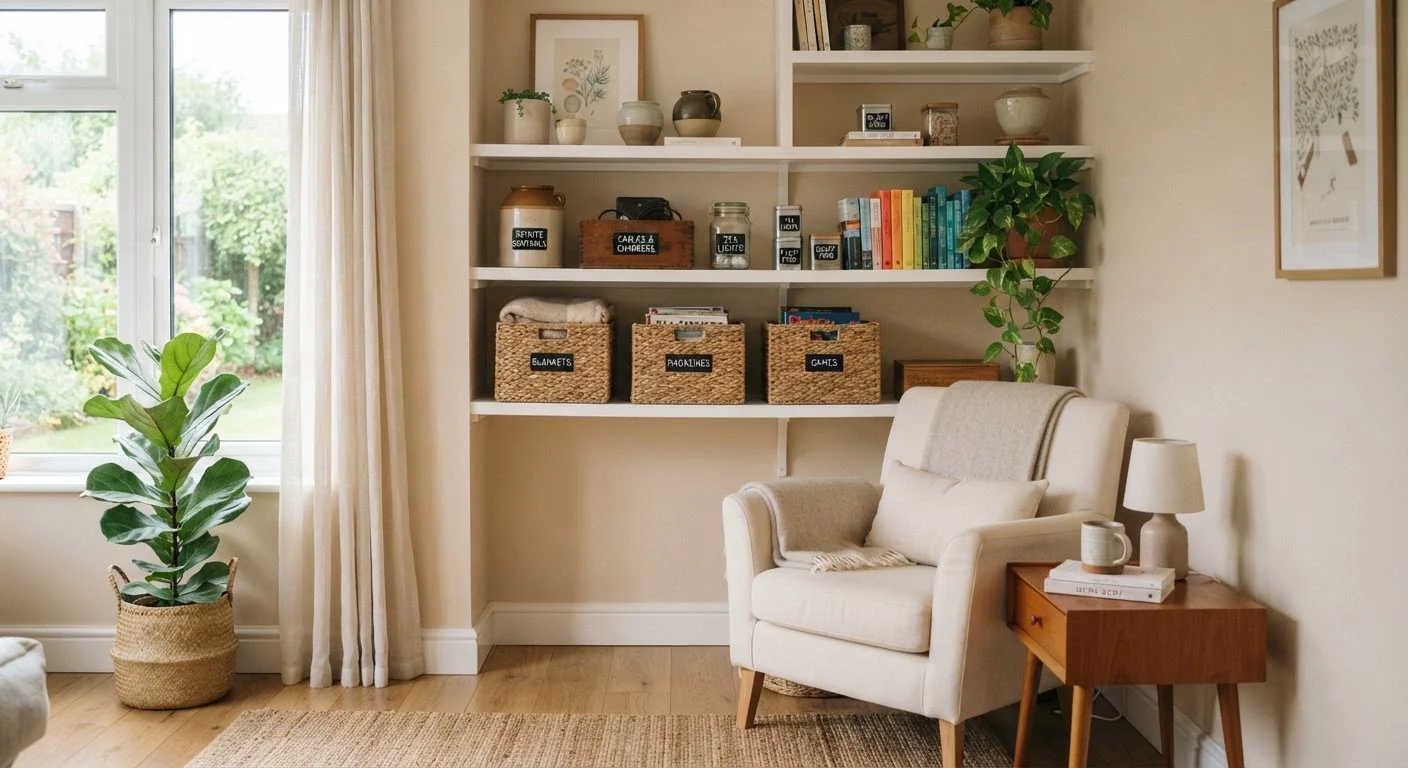
Photo: InsightsBlock.com | Access Information With Ease editorial
Key Takeaways
- Decluttering before buying any storage is the single most effective step you can take.
- Repurposed containers, vertical space, and zoning systems cost little to nothing to implement.
- Consistent small habits - like daily resets - maintain order better than one-time organizing sessions.
- Labels, consistent categories, and a designated place for every item reduce re-cluttering significantly.
Start With Less, Not More Storage
The most common organizing mistake is buying bins and shelving units before addressing what's actually in your home. Adding storage to clutter just moves the problem around. The real starting point is reducing the number of items competing for space.
Before purchasing a single container, do a honest edit of each room. Pull everything out of a drawer or cabinet, discard what's broken or unused, and only return what earns its place. This process costs nothing and immediately creates room to work with. Our room-by-room decluttering walkthrough offers a structured approach if the process feels overwhelming.
Once you've reduced, you'll often find that the storage you already own is sufficient - it just needs to be used more intentionally.
Use What You Already Have
Creative repurposing is one of the most cost-effective organizing strategies available. Many household items double as useful storage with minimal effort.
- Shoeboxes make excellent drawer dividers for small items like batteries, craft supplies, or makeup.
- Mason jars group loose pantry items, office supplies, or bathroom essentials visibly and accessibly.
- Tension rods installed inside deep cabinets create a second level for baking sheets or cutting boards stored vertically.
- Over-door hooks - often already in the home - add immediate hanging space for bags, cleaning tools, or accessories.
Walls and door backs are frequently underused. Our guide on using vertical space effectively explores how to reclaim that room without renovation costs.
Build Systems That Stick
Organizing is only useful if the system is easy enough to maintain. The goal is not perfection - it's a setup that the entire household can realistically follow every day.
Two foundational principles help here. First, give everything a designated home. When an item doesn't have a consistent place, it drifts to counters and floors. Second, keep the most-used items most accessible. Storing frequently reached items behind rarely used ones guarantees disorder over time.
You can also think about whether your household organizes better by zone (where things are used) or by category (what type of item they are). The zoning vs. categorizing guide breaks down which approach may suit how your home actually functions.
For shared households, a system that works for one person may not work for others. The guide to organizing in shared spaces covers how to build arrangements that accommodate different habits.
Organization Systems Take Time to Settle
Maintain Order With Daily Micro-Habits
Large organizing sessions are motivating but unsustainable on their own. The households that stay organized long-term typically rely on small, consistent actions rather than periodic overhauls.
A short daily reset - five to ten minutes where everything visible gets returned to its home - prevents accumulation from reaching overwhelming levels. Pairing this with natural transition points (before bed, after dinner, or when leaving a room) makes the habit easier to build.
Labeling containers and shelves also reduces the friction of putting things away correctly, especially in households with children or multiple adults. Even a simple piece of tape with handwritten text is enough to signal where something belongs.
If specific areas consistently resist order - like kitchen drawers - it may signal a system problem, not a habit problem. The kitchen drawer reset guide offers a practical process for rethinking those high-traffic spaces from scratch.
80%
Of clutter is items never used
Professional organizers widely cite that the majority of household clutter consists of items that are kept but seldom or never used.
40%
Of time spent searching for misplaced items
Research on household time use suggests Americans spend a significant portion of daily search time looking for commonly misplaced items like keys and phones.
The content provided on our blog site traverses numerous categories, offering readers valuable and practical information. Readers can use the editorial team’s research and data to gain more insights into their topics of interest. However, they are requested not to treat the articles as conclusive. The website team cannot be held responsible for differences in data or inaccuracies found across other platforms. Please also note that the site might also miss out on various schemes and offers available that the readers may find more beneficial than the ones we cover.