
Indoor vs. Outdoor Cats: Weighing the Tradeoffs for Your Situation

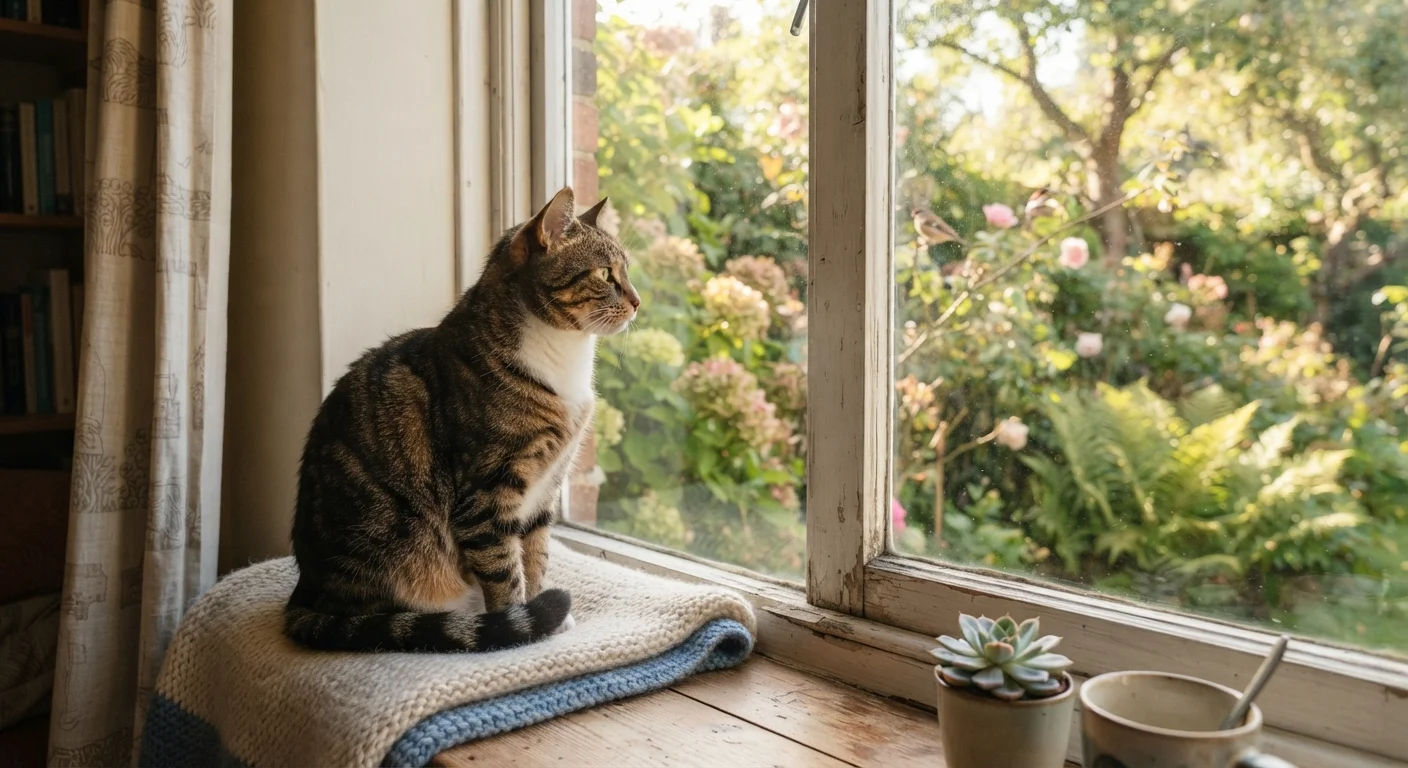
Photo: InsightsBlock.com | Access Information With Ease editorial
Key Takeaways
- Indoor cats typically live longer due to lower exposure to traffic, predators, and disease.
- Outdoor access can fulfill natural hunting and exploration instincts, benefiting some cats behaviorally.
- Enriching an indoor environment is key to preventing boredom and stress-related behaviors.
- Supervised outdoor time or enclosed 'catios' can offer a middle-ground option for many owners.
- Your cat's age, health status, and neighborhood environment all factor into the right decision.
Significantly reduced risk of injury and death
Indoor cats avoid the leading causes of premature feline death, including vehicle accidents, predator attacks, and ingestion of outdoor toxins such as antifreeze or pesticide-treated plants.
Lower exposure to infectious disease
Diseases like feline leukemia virus (FeLV), feline immunodeficiency virus (FIV), and upper respiratory infections spread through contact with other cats - contact that indoor living largely eliminates.
Easier health monitoring for owners
Owners can observe changes in appetite, weight, litter box habits, and behavior more reliably when a cat stays indoors, allowing earlier detection of potential health issues.
No impact on local wildlife populations
Free-roaming cats are documented predators of birds and small mammals; keeping cats indoors removes this ecological pressure entirely.
Risk of boredom and stress without enrichment
Cats confined indoors without adequate mental and physical stimulation may develop frustration-based behaviors including overgrooming, aggression, or destructive scratching.
Greater owner responsibility for activity levels
Indoor cats rely entirely on their owners for exercise opportunities; without deliberate play and stimulation, weight gain and associated health issues can develop over time.
Some cats find confinement stressful
Cats with prior outdoor experience or highly independent temperaments may struggle with indoor living, showing persistent signs of frustration or attempting to escape.
Understanding the Core Tradeoff
Deciding how much outdoor access to give your cat is one of the most consequential choices you'll make as an owner. It touches on safety, mental wellbeing, social behavior, and long-term health - and there's no single answer that fits every household.
The debate often gets framed as a binary, but in practice, most cat owners have a spectrum of options: fully indoor, supervised outdoor time, enclosed outdoor spaces (sometimes called catios), or free roaming. Understanding the genuine tradeoffs on each side helps you make a decision grounded in your cat's actual needs rather than convention.
If you're setting up a home for a new cat, this decision is worth thinking through early. See our guide for first-time cat owners for a broader overview of the setup decisions you'll face.
Significantly reduced risk of injury and death
Indoor cats avoid the leading causes of premature feline death, including vehicle accidents, predator attacks, and ingestion of outdoor toxins such as antifreeze or pesticide-treated plants.
Lower exposure to infectious disease
Diseases like feline leukemia virus (FeLV), feline immunodeficiency virus (FIV), and upper respiratory infections spread through contact with other cats - contact that indoor living largely eliminates.
Easier health monitoring for owners
Owners can observe changes in appetite, weight, litter box habits, and behavior more reliably when a cat stays indoors, allowing earlier detection of potential health issues.
No impact on local wildlife populations
Free-roaming cats are documented predators of birds and small mammals; keeping cats indoors removes this ecological pressure entirely.
The Case for Keeping Cats Indoors
Indoor cats are shielded from many of the most significant risks that shorten feline lifespans. Traffic accidents, predator encounters, exposure to toxins, and infectious diseases spread through contact with other animals are all substantially reduced. Veterinary organizations in the United States, including the American Veterinary Medical Association, generally support indoor living as a way to extend and protect cat health.
From a behavioral standpoint, indoor cats tend to have more stable routines and consistent social bonds with their owners. Litter box habits are also easier to monitor - changes that signal health issues are more readily noticed. If you ever notice disruptions in elimination behavior, our article on why cats stop using the litter box covers how to identify and address the cause.
10-15 years
Typical indoor cat lifespan
Veterinary sources commonly cite indoor cats living 10-15 years on average, compared to estimates of 2-5 years for free-roaming outdoor cats in many environments.
~1-4 billion
Birds killed by cats annually in the US
A study published in Nature Communications estimated that free-ranging cats kill between 1.3 and 4 billion birds per year in the contiguous United States.
The Case for Outdoor Access
Cats are obligate carnivores with strong predatory instincts. For some cats - particularly those who were outdoor cats before adoption, or those showing signs of frustration indoors - access to the outside world offers genuine behavioral benefits. Hunting-like activity, varied terrain, and novel scents provide a form of stimulation that's difficult to replicate entirely indoors.
Advocates for outdoor access also point to the physical exercise cats get while roaming. Free-ranging cats tend to cover significant territory daily, which can support healthy weight maintenance, though this comes with the risks described above.
Risk of boredom and stress without enrichment
Cats confined indoors without adequate mental and physical stimulation may develop frustration-based behaviors including overgrooming, aggression, or destructive scratching.
Greater owner responsibility for activity levels
Indoor cats rely entirely on their owners for exercise opportunities; without deliberate play and stimulation, weight gain and associated health issues can develop over time.
Some cats find confinement stressful
Cats with prior outdoor experience or highly independent temperaments may struggle with indoor living, showing persistent signs of frustration or attempting to escape.
Enrichment: The Indoor Cat's Essential Requirement
If you choose to keep your cat indoors, enrichment isn't optional - it's a core part of responsible care. Cats confined without adequate stimulation can develop stress-related behaviors including overgrooming, aggression, or inappropriate elimination. The goal is to provide outlets for natural behaviors: climbing, hunting, hiding, and social interaction.
Practical enrichment strategies include:
- Tall cat trees and wall-mounted shelving for vertical space
- Puzzle feeders and food-dispensing toys that engage hunting instinct
- Rotating toy selection to maintain novelty
- Window perches with bird feeders placed outside for visual stimulation
- Regular interactive play sessions with wand or feather toys
For homes with more than one cat, the social dynamic also matters. A well-matched companion can significantly reduce boredom for indoor cats. Our article on introducing a second cat into your home walks through how to manage that process carefully.
The 'Catio' Option Is Growing in Popularity
Middle-Ground Options Worth Considering
For owners who want to offer outdoor experience without free-roaming risks, several practical approaches exist. Enclosed outdoor cat enclosures - often called catios - allow cats to experience fresh air, natural light, and environmental complexity without exposure to traffic or other animals. These range from window box designs to large walk-in structures attached to the house.
Leash training is another option that works well for some cats, particularly when introduced at a young age. It requires patient acclimation to a harness, but gives owners direct control over the cat's environment during outdoor time.
Spay and neuter status is also relevant to this decision: intact cats have stronger roaming drives, which increases risk for outdoor cats significantly. Our overview of spaying and neutering cats covers what that decision involves and is worth discussing with your veterinarian.
Older cats present additional considerations. As cats age, outdoor hazards can become more dangerous and health conditions harder to monitor. Our guidance on keeping a senior cat comfortable and healthy addresses how environmental needs shift over time.
This article provides general information about cat care and is not a substitute for personalized guidance from a licensed veterinarian. Always consult your vet when making decisions that affect your cat's health and wellbeing.
The content provided on our blog site traverses numerous categories, offering readers valuable and practical information. Readers can use the editorial team’s research and data to gain more insights into their topics of interest. However, they are requested not to treat the articles as conclusive. The website team cannot be held responsible for differences in data or inaccuracies found across other platforms. Please also note that the site might also miss out on various schemes and offers available that the readers may find more beneficial than the ones we cover.