
Spaying and Neutering Cats: The Full Picture

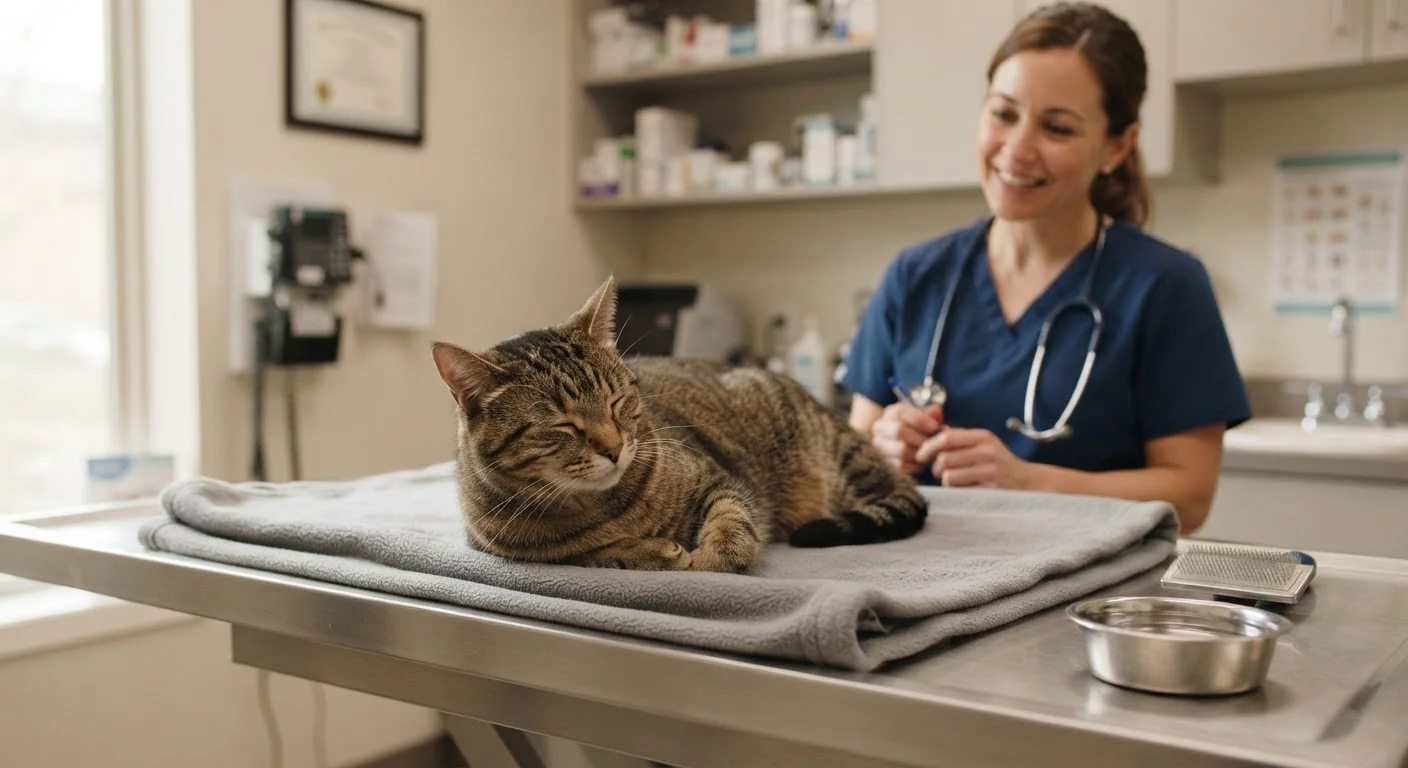
Photo: InsightsBlock.com | Access Information With Ease editorial
Key Takeaways
- Spaying and neutering are routine surgical procedures performed under general anesthesia by a veterinarian.
- Both procedures eliminate the ability to reproduce and reduce or eliminate certain hormone-driven behaviors.
- Research consistently links spaying and neutering to measurable reductions in certain cancers and reproductive diseases.
- Timing of the procedure can affect developmental outcomes - a topic worth discussing directly with your vet.
- Recovery is typically brief, but post-operative care at home matters for a smooth outcome.
- The procedures also carry small surgical risks, which your vet can explain in the context of your cat's health.
What the Procedures Actually Involve
Spaying a female cat involves surgically removing the ovaries - and in most US practices, the uterus as well. This eliminates the ability to become pregnant and stops the hormonal cycles that drive heat behavior. Neutering a male cat removes both testes, stopping sperm production and significantly reducing testosterone levels.
Both procedures require general anesthesia and are performed in a veterinary clinic. The surgery itself is brief - typically under an hour - though the total visit includes pre-anesthetic assessment, the operation, and an initial recovery period before your cat goes home. Most cats are discharged the same day.
Your veterinarian will provide specific aftercare instructions, which typically include limiting activity, monitoring the incision site for signs of infection, and keeping the cat from licking the surgical area - often managed with a recovery collar.
Ask About Pre-Surgical Bloodwork
Health Effects: What the Evidence Shows
The health research on spaying and neutering is substantial, though it doesn't tell a single simple story. On the benefit side, spaying eliminates the risk of uterine infections (pyometra), which is a serious and potentially life-threatening condition in intact females. It also significantly reduces the risk of mammary tumors, particularly when performed before the first heat cycle.
Neutering males eliminates testicular cancer and reduces the risk of prostate-related issues. Both procedures remove the risk of certain hormone-dependent conditions entirely.
On the other side, some research suggests possible associations between early spay/neuter and certain orthopedic or hormonal conditions, though this evidence is more developed in dogs than in cats. The conversation around timing - particularly for cats still growing - is evolving, and it's a good topic to raise directly with your veterinarian.
~90%
Reduction in mammary tumor risk when spayed early
Veterinary research suggests spaying before the first heat cycle is associated with dramatically lower mammary tumor incidence in cats.
100%
Elimination of pyometra risk
Spaying removes the uterus (in ovariohysterectomy), completely eliminating the possibility of pyometra, a potentially fatal uterine infection in intact females.
~80%
Reduction in urine spraying in neutered males
Studies indicate that neutering before the onset of spraying behavior prevents the behavior in most male cats; success rates are lower when neutering occurs after the behavior is established.
For a broader view of lifelong feline wellness, see the guide to cat health from kittenhood to old age, which covers preventive care at every life stage.
Behavioral Changes to Expect
Spaying and neutering reliably reduce behaviors driven by reproductive hormones. In female cats, this means the end of heat cycles - the yowling, restlessness, and frequent urination that can occur every few weeks during breeding season. In males, neutering reduces roaming, urine spraying to mark territory, and aggression toward other male cats.
These changes are real and significant, but it's important to frame them accurately. The procedures reduce hormonally driven behaviors; they don't reprogram personality. A cat that was social before surgery tends to remain social. A cat that was independent stays independent.
Some behaviors that developed as habits before surgery - such as spraying - may persist even after neutering, particularly in older males. Timing matters here: the earlier the procedure, the less likely these behaviors are to become ingrained.
If your cat spends time outdoors, reducing roaming behavior has direct safety implications. Our article on indoor vs. outdoor cats covers how to think through the risks of outdoor access alongside decisions like this one.
Behavior Change Isn't Always Immediate
Talking to Your Vet and Planning the Procedure
There is no universal right answer on timing - it depends on your cat's age, health status, lifestyle, and your veterinarian's clinical judgment. A standard wellness visit is the right setting to ask about scheduling, what pre-surgical screening is recommended, what the recovery will look like, and what signs of complications to watch for afterward.
If you're not sure what to ask, a structured checklist can help. See our annual vet visit checklist for cat owners for a practical guide to getting the most from your cat's wellness appointments - including how to raise surgical and preventive care questions effectively.
Spaying and neutering are also typically coordinated alongside vaccination and parasite prevention schedules. The cat vaccination schedule explained is a useful reference for understanding what other preventive milestones to plan around the same time.
This article is for general informational purposes only and does not constitute veterinary or medical advice. Always consult a licensed veterinarian for guidance specific to your cat's health and circumstances.
Frequently Asked Questions
The content provided on our blog site traverses numerous categories, offering readers valuable and practical information. Readers can use the editorial team’s research and data to gain more insights into their topics of interest. However, they are requested not to treat the articles as conclusive. The website team cannot be held responsible for differences in data or inaccuracies found across other platforms. Please also note that the site might also miss out on various schemes and offers available that the readers may find more beneficial than the ones we cover.