
A Complete Introduction to Packing Light

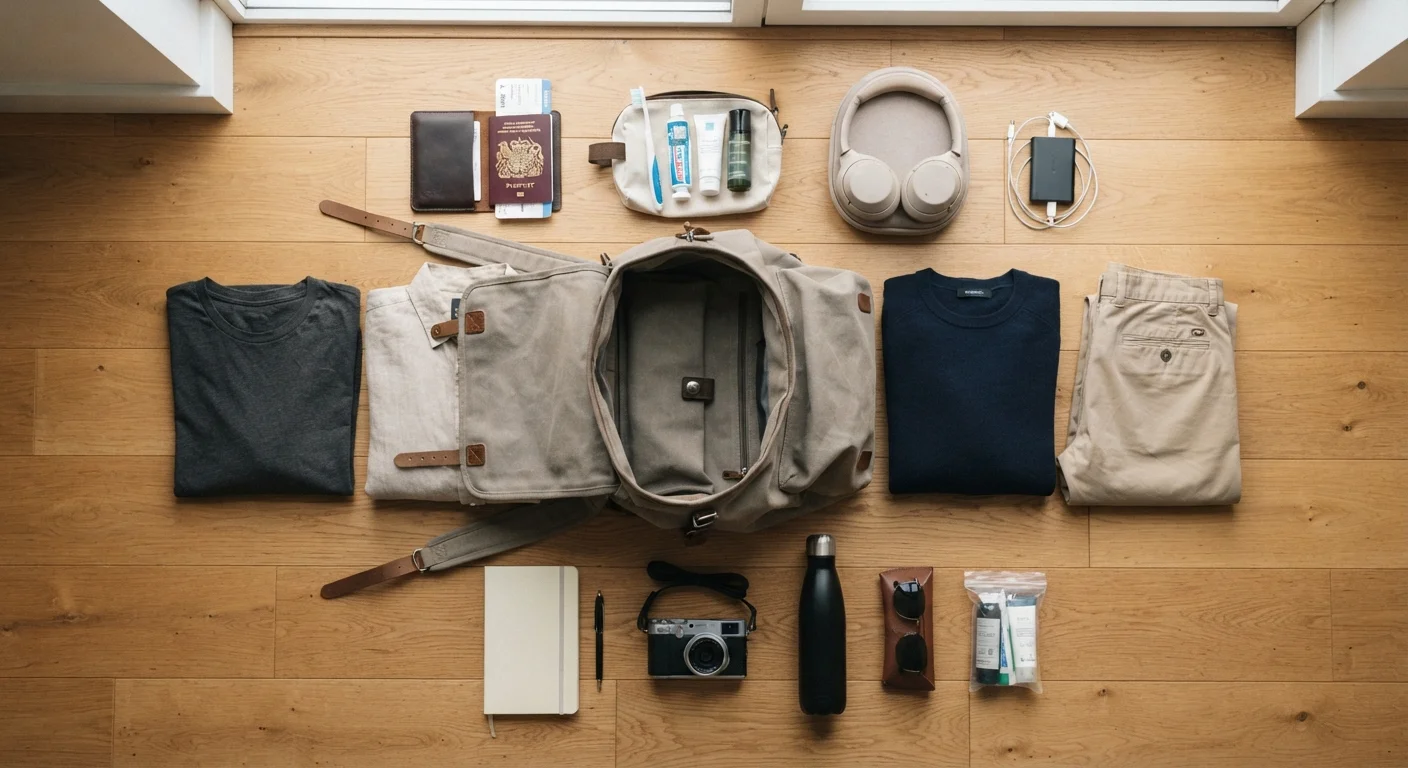
Photo: InsightsBlock.com | Access Information With Ease editorial
Key Takeaways
- Packing light reduces stress, saves money on baggage fees, and gives you more freedom to move.
- A capsule wardrobe built around versatile, mix-and-match pieces is the foundation of light packing.
- Most airlines allow carry-on bags between 22-40 liters; knowing your limits helps you choose the right bag.
- The biggest obstacle to packing light is mental - 'just in case' thinking adds the most weight.
- A few well-chosen, multi-use items outperform a bag full of single-purpose gear every time.
Why Packing Light Actually Matters
Dragging an overweight suitcase through cobblestone streets, paying surprise checked-bag fees at the gate, or missing a connecting flight because you couldn't move fast enough - these are experiences most travelers have had at least once. Packing light isn't about minimalism as a lifestyle choice; it's a practical strategy that makes travel genuinely easier.
Traveling with a single carry-on or a compact backpack means no baggage claim wait, no lost-luggage risk, and the freedom to hop on any bus, train, or flight without worrying about storage. It also tends to reduce decision fatigue - a smaller wardrobe with intentional pieces is often easier to dress from than an overstuffed bag of options. For a broader look at how this fits into your overall trip preparation, the Trip Planning Essentials hub covers the full picture from booking to boarding.
The Core Mindset Shift
The single biggest obstacle to packing light isn't knowing what to bring - it's just-in-case thinking. "Just in case it's cold." "Just in case there's a fancy dinner." "Just in case I want options." This pattern is the root cause of most overpacked bags, and recognizing it is the first step toward changing it.
A more useful question to ask for every item is: "Would I go home to get this if I forgot it?" If the honest answer is no, the item probably doesn't need to come. Most things you might need - an umbrella, a plug adapter, over-the-counter medication - are available to purchase at your destination. This doesn't mean packing recklessly; it means trusting that the world outside your home isn't a barren wasteland without pharmacies and corner stores.
Test Your Pack Before the Real Trip
If you want to understand the habits that quietly inflate your bag weight without you noticing, overpacking patterns most travelers miss is worth reading alongside this guide.
Building a Capsule Wardrobe for Travel
A capsule wardrobe is a small, coordinated set of clothing where every piece works with most of the others. For travel, this typically means choosing a single neutral color palette - navy, grey, black, or earth tones - and building around it with a handful of versatile pieces.
Capsule wardrobe
A small, coordinated set of clothing where every item mixes and matches with the others, maximizing outfit combinations from a minimal number of pieces.
Carry-on bag
A piece of luggage small enough to fit in an airplane's overhead bin or under the seat in front of you, avoiding checked baggage fees and wait times.
Packing cubes
Zippered fabric organizers used inside a travel bag to separate and compress clothing by category, making a small bag easier to navigate.
Quick-drying fabric
Synthetic or natural materials (like nylon or merino wool) that dry significantly faster than cotton, making hand-washing and re-wearing practical while traveling.
Bag volume (liters)
A standard measurement of how much a bag can hold. Travel bags are typically described by their liter capacity, ranging from compact 20L daypacks to large 50L+ checked options.
Just-in-case thinking
The habit of packing items for unlikely scenarios rather than probable ones - the leading cause of overpacked bags.
A practical starting framework for a week-long trip might look like this:
- Bottoms: 2 pairs (one casual, one slightly dressier)
- Tops: 3-4 pieces that layer and mix
- Outerwear: 1 layer that works for both warmth and light rain
- Shoes: 2 pairs maximum - one comfortable walking shoe, one that can pass as evening-appropriate
- Undergarments and socks: 3-4 sets in quick-drying fabrics
The goal is outfit combinations, not outfit repetition. Seven pieces of clothing can produce far more than seven wearable combinations when chosen thoughtfully. For a detailed breakdown of clothing strategies by trip type, packing strategies frequent travelers actually use goes deeper on rolling, bundling, and wardrobe selection.
Understanding Weight Limits and Bag Sizes
Before you can pack light, you need to know what "light" means in practical terms for your trip. Airline carry-on policies vary - most major US carriers allow bags up to roughly 22 x 14 x 9 inches and sometimes impose weight limits between 15-25 lbs for overhead bins. Budget and international carriers can be considerably stricter, so always verify directly with your airline before you travel.
Bag volume - measured in liters - is a useful way to think about capacity. A 20-30L daypack is suitable for short trips or ultra-light packers. A 35-45L travel backpack covers most carry-on allowances and works for trips of one to several weeks with disciplined packing. Anything above 50L typically needs to be checked on most flights.
If you're considering going all-in with a single bag for every trip, one-bag travel and its real tradeoffs offers a balanced perspective on what you gain - and what you genuinely give up.
Gear Worth Considering - and What to Skip
Light packing doesn't require expensive specialized gear, but a few thoughtful investments can make the experience meaningfully better. Quick-drying clothing in merino wool or synthetic fabrics allows re-wearing and easy hand-washing. A compact, well-organized toiletry bag with travel-size containers reduces bulk. Packing cubes help compress soft items and keep categories separated without adding significant weight.
What's worth skipping: bulky "just in case" items like full-size hairdryers (most hotels provide them), multiple pairs of shoes beyond two, and redundant electronics. The goal isn't to own less - it's to bring less on this particular trip.
For a structured approach to assembling everything without forgetting critical items, the first-time international traveler's packing list is a reliable category-by-category reference.
Your Next Steps as a Light Packer
The best way to get comfortable packing light is to try it on a low-stakes trip first - a weekend away, a short domestic flight, or even an overnight. Use that trip to notice what you actually reached for and what stayed untouched at the bottom of your bag. That feedback is more valuable than any packing list.
From there, building a reusable system that you refine over time is what separates occasional light packers from consistent ones. Building a reliable packing system you can reuse walks through exactly how to create that repeatable framework so every trip starts from a proven foundation rather than scratch. And if you're working within a budget, Budget Travel Tips pairs well - packing light and traveling affordably tend to reinforce each other in satisfying ways.
Frequently Asked Questions
The content provided on our blog site traverses numerous categories, offering readers valuable and practical information. Readers can use the editorial team’s research and data to gain more insights into their topics of interest. However, they are requested not to treat the articles as conclusive. The website team cannot be held responsible for differences in data or inaccuracies found across other platforms. Please also note that the site might also miss out on various schemes and offers available that the readers may find more beneficial than the ones we cover.