
Packing Strategies That Frequent Travelers Actually Use

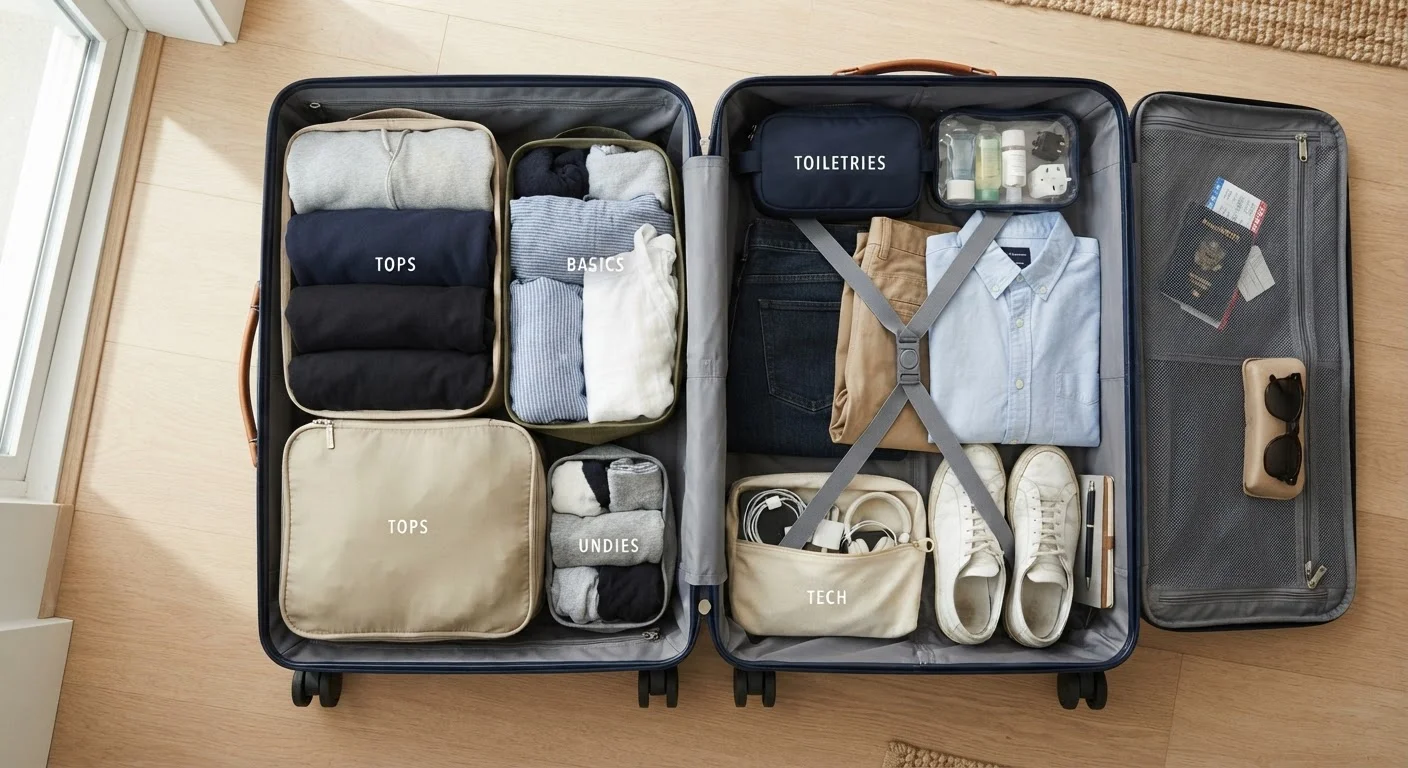
Photo: InsightsBlock.com | Access Information With Ease editorial
Key Takeaways
- Rolling works well for casual fabrics; folding is better for structured or wrinkle-prone pieces.
- A capsule wardrobe approach dramatically reduces overpacking on trips longer than five days.
- Packing cubes organize your bag but don't create space - that requires editing what you bring.
- Frequent travelers pack in a consistent order to reduce forgotten items on every trip.
- Matching your packing method to your bag type and trip length produces the most reliable results.
Why Packing Strategy Matters More Than Gear
Most travelers focus on what to pack long before thinking about how to pack it. But experienced road warriors know that a solid packing strategy - chosen to match the trip type, bag, and destination - can mean the difference between breezing through a layover and wrestling an overstuffed suitcase down a cobblestone street.
The goal isn't minimalism for its own sake. It's arriving with everything you need, nothing you don't, and your clothes in decent shape. The Packing & Gear hub covers the full landscape, but this guide zeroes in on the methods frequent travelers actually rely on - and why they switch between them depending on the trip.
Rolling, Folding, and Bundling: Choosing the Right Method
There's no single correct way to pack clothing - different fabrics and bag shapes respond differently. Rolling vs. folding is a genuine debate worth understanding before you commit to a method.
- Rolling compresses casual fabrics like t-shirts, jeans, and athletic wear efficiently. It also lets you see everything at a glance in a wide suitcase.
- Folding keeps creases sharp on dress shirts, slacks, and blazers - structure stays intact when fabric is flat and stacked.
- Bundle packing wraps garments around a central core object, reducing fold lines in the process. It takes practice but excels for business travelers bringing multiple button-downs.
Most frequent travelers use a hybrid: roll the casual pieces, fold the formal ones, and bundle anything that absolutely cannot arrive wrinkled. Matching method to fabric type, rather than picking one approach for the whole bag, produces consistently better results.
The Capsule Wardrobe Principle
The capsule approach treats your travel wardrobe like a system: every item should mix and match with at least two others. For a seven-day trip, that might mean four bottoms and five tops that combine into enough outfits to cover every occasion, rather than packing one complete outfit per day.
This isn't just about saving space - it prevents the common trap of packing backup outfits for backup scenarios that never materialize. Understanding overpacking patterns helps identify where most travelers add items they'll never touch.
The capsule method pairs naturally with a layering strategy for unpredictable weather, letting a small set of pieces handle temperature swings without adding bulk.
Building a Repeatable Packing System
One habit that separates frequent travelers from occasional ones: packing in the same order, every time. A consistent sequence - documents and tech first, then shoes, then clothing, then toiletries - creates a mental checklist that runs almost automatically. Over time it reduces forgotten items far more reliably than any last-minute list.
Packing cubes reinforce this habit by assigning categories to specific zones of your bag. They don't compress clothing or create extra room - but they maintain order across unpacking, hotel stays, and repacking, which is where most bags descend into chaos.
For travelers ready to formalize their approach, building a reusable packing system takes these habits a step further, creating a framework that adapts across trip types without starting from scratch each time.
~50%
Packed clothes reportedly never worn on trip
Travel industry surveys have repeatedly found that roughly half of packed clothing goes unused, pointing to the scale of the overpacking problem among leisure travelers.
23 lbs
Typical checked bag weight limit (US carriers)
Most major US airlines set a 50-pound checked bag limit, but frequent travelers often target the 20-25 lb range to stay comfortable and avoid overweight fees.
Adapting Your Strategy to the Bag and Trip Type
Your packing method should follow your bag - not the other way around. A rolling suitcase with a wide, clamshell opening is ideal for flat-folding and layered rolling. A travel backpack rewards tight rolling and vertical stacking so you can access items at the top without emptying everything underneath. See our backpack vs. rolling suitcase comparison for a full breakdown of how bag type shapes your packing choices.
Trip length also changes the calculus. Weekend trips reward aggressive minimalism - carry-on-only travel is genuinely achievable for two to four nights with the right planning. Longer trips require more structure: the capsule wardrobe, a consistent packing order, and an honest edit of what you'll actually reach for on day six.
Whatever your approach, the goal is a bag you can manage confidently - not one that manages you.
The content provided on our blog site traverses numerous categories, offering readers valuable and practical information. Readers can use the editorial team’s research and data to gain more insights into their topics of interest. However, they are requested not to treat the articles as conclusive. The website team cannot be held responsible for differences in data or inaccuracies found across other platforms. Please also note that the site might also miss out on various schemes and offers available that the readers may find more beneficial than the ones we cover.