
Rolling vs. Folding: The Packing Methods Worth Actually Testing

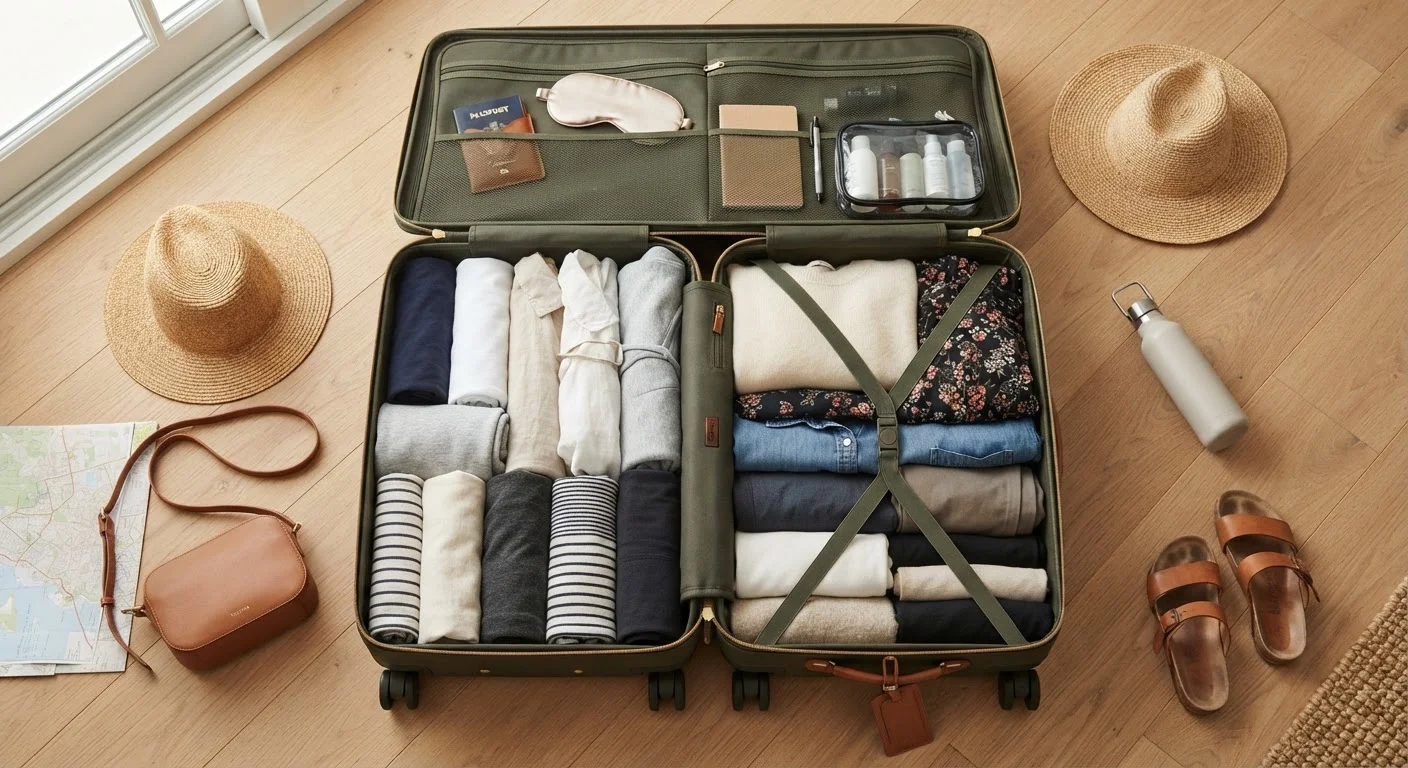
Photo: InsightsBlock.com | Access Information With Ease editorial
Key Takeaways
- Rolling generally reduces volume for casual fabrics like t-shirts, jeans, and knitwear.
- Folding is typically better for structured items like blazers and dress shirts prone to sharp creases.
- Neither method alone prevents overpacking - the clothes you choose matter more than how you arrange them.
- Hybrid packing, using both methods for different garment types, outperforms either approach used alone.
- Fabric weight and weave affect how much space a packing method actually saves.
Why This Debate Persists (And Why It Matters)
Ask ten frequent travelers how to pack a suitcase and you'll get ten confident, contradictory answers. The rolling-vs-folding debate has been alive in travel forums for decades, and it persists because both sides can point to real results - just not always for the right reasons.
The honest answer is that the best method depends on your garments, your bag, and your trip type. There's no universal winner, but there are clear patterns backed by how fabrics actually behave under compression. Understanding those patterns helps you pack smarter rather than just pack differently. For a broader look at building a consistent approach, see how to build a reusable packing system that adapts across trip types.
The Myths, Tested Against Reality
Below are the most common claims you'll encounter about rolling and folding - and what the evidence and garment science actually suggest.
Myth
Rolling your clothes always saves more space than folding them.
Fact
Rolling reduces volume for soft, compressible fabrics, but it can actually take up more space with bulky or structured garments.
Rolling works by eliminating air pockets in lightweight fabrics like cotton tees and synthetic travel pants. But a thick wool sweater or a structured blazer rolled into a cylinder often creates an awkward, space-inefficient shape that doesn't conform to the corners and edges of a bag. For those items, flat folding - which allows stacking and edge-alignment - uses luggage geometry more efficiently.
Myth
Folding clothes always causes more wrinkles than rolling them.
Fact
Folding along a garment's natural seams creates fewer wrinkles than rolling for many structured fabrics.
Wrinkles form at sharp fold lines and under sustained pressure. When you fold a dress shirt along its intended seams - collar to tail, sleeve to side - you're following lines already built into the fabric's construction. Rolling that same shirt creates a diagonal tension across the weave that can produce wrinkles no amount of hanging will fully remove. Garments designed to be folded behave better when they're actually folded.
Myth
Rolling is the method that professional packers and travel experts unanimously recommend.
Fact
Most experienced travelers use a combination of both methods, chosen by garment type rather than a blanket rule.
The "roll everything" advice gained traction partly because it's simple and easy to remember, and it genuinely does help casual travelers who over-fold soft items into stiff rectangles. But packing professionals and frequent travelers who rely on proven packing strategies almost universally describe sorting clothes into categories first, then applying the appropriate technique to each.
Myth
How you pack matters more than what you pack.
Fact
The garments you choose to bring have a far greater impact on luggage weight and volume than packing technique.
Technique optimizes the space you've already committed to filling. If your packing list includes redundant items, overly heavy fabrics, or garments you're bringing "just in case," no rolling or folding system will rescue the situation. Choosing versatile, lightweight pieces and sticking to a firm item count will reduce your bag weight more meaningfully than mastering any particular folding method. Packing technique is the refinement layer, not the foundation.
Myth
Packing cubes work best when everything inside is rolled.
Fact
Packing cubes are neutral organizers - they work with whichever method suits the garment inside.
Packing cubes create segmented zones in your luggage and help prevent re-packing chaos. They don't inherently favor rolling or folding. A cube filled with flat-folded dress shirts is just as organized as one filled with rolled t-shirts. The cube's value is containment and easy identification, not compression of a specific technique. Understanding what packing cubes actually do helps you use them more strategically rather than as a cure-all.
How Fabric Type Changes Everything
The single biggest variable in the rolling-vs-folding question isn't technique - it's textile. A cotton t-shirt is forgiving: roll it, fold it, or stuff it, and it survives. A linen blazer is not. Understanding basic fabric behavior helps you make the call before you even open your suitcase.
~30%
Potential volume reduction from rolling soft fabrics
Travel and textile studies suggest rolling compressible knit fabrics can reduce their packed volume by roughly 30% compared to standard flat folding, though results vary by fabric weight and density.
2-3 days
How long wrinkles typically persist without hanging
Garment care research indicates that creases set during packing can take 48-72 hours to fully relax in ambient conditions, making proper fold lines especially important for items worn soon after arrival.
Knits and jersey fabrics (most t-shirts, athletic wear, casual dresses) roll well and resist permanent creasing. Wovens with structure (dress shirts, trousers with a crease, blazers) fold better along their designed seams. Delicates and silks generally do best when loosely folded with tissue paper or tucked flat - neither rolling nor tight folding serves them well.
The packing strategies that frequent travelers actually use tend to center on exactly this kind of garment-first thinking rather than committing to a single technique across the board.
Putting It Together: A Practical Hybrid Approach
Rather than choosing a single camp, experienced packers typically sort their clothes into two piles before touching the suitcase. Casual, compressible items go into the rolling pile. Structured, wrinkle-prone items get folded flat or placed in a folder-style packing insert. This hybrid approach is also where packing cubes genuinely earn their place - they help you maintain that separation so your organized system doesn't collapse mid-trip.
Don't Pack Everything Before You Weigh Your Bag
One more consideration: even a perfectly executed rolling or folding technique won't compensate for bringing too much. Overpacking patterns are often invisible until you're hauling luggage up four flights of stairs. The method is the fine-tuning; the garment list is the foundation.
The content provided on our blog site traverses numerous categories, offering readers valuable and practical information. Readers can use the editorial team’s research and data to gain more insights into their topics of interest. However, they are requested not to treat the articles as conclusive. The website team cannot be held responsible for differences in data or inaccuracies found across other platforms. Please also note that the site might also miss out on various schemes and offers available that the readers may find more beneficial than the ones we cover.