
Starting From Zero: Home Organization Basics for First-Time Renters

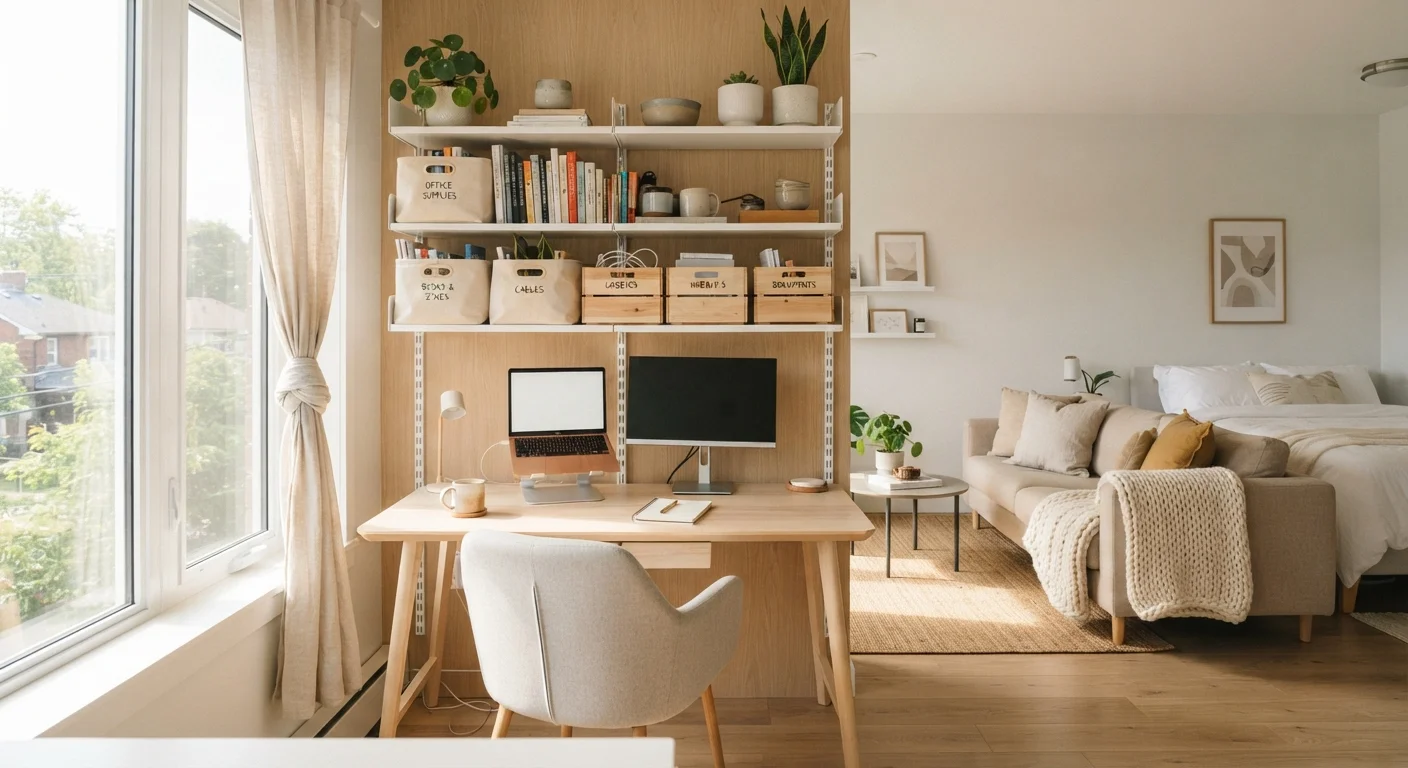
Photo: InsightsBlock.com | Access Information With Ease editorial
Key Takeaways
- Setting up organizational systems early prevents clutter from becoming entrenched habits.
- A quick audit of your belongings before unpacking saves time and avoids unnecessary storage purchases.
- Renter-friendly solutions like freestanding shelves and over-door organizers avoid damage to walls.
- Every item in your home should have a consistent, logical home - this is the foundation of staying organized.
- Maintaining organization takes small, regular habits rather than periodic overhauls.
- Low-cost strategies can be just as effective as expensive storage systems in most rental spaces.
Why Organization Matters From Day One
Moving into your first rental is a rare opportunity: you get to set the tone for how your space functions before any habits take root. The systems - or lack of them - you establish in the first few weeks tend to stick. Clutter creep, where items quietly accumulate without a clear home, is much easier to prevent than to undo.
Organization isn't about achieving a picture-perfect apartment. It's about making daily life smoother - finding your keys without searching, keeping your kitchen functional, and reducing the low-level stress that a chaotic space quietly generates. Starting with even a basic system costs less effort than fixing disorder months down the line.
If you're also setting up your finances for the first time, a clear household helps you track what you own and avoid buying duplicates. Our first monthly budget walkthrough pairs well with this guide if you're building from scratch on both fronts.
Take Stock Before You Unpack
Before a single box gets emptied, do a quick audit. Sort everything you own into three categories: keep, donate or give away, and discard. Be honest - moving is the clearest lens for recognizing what you actually use versus what you've been storing out of habit.
Avoid Buying Storage Before Auditing
Once you know what you're keeping, group similar items together. All kitchen tools in one area, all linens in another. This grouping reveals how much storage you actually need in each zone - and prevents the common mistake of buying containers that don't match your real inventory.
Measure your rooms and closets before purchasing any storage. A shelf that looks right in a store photo may not fit your specific layout. Note ceiling heights, door widths, and any awkward corners. This takes 15 minutes and can save real money.
Designated home
A specific, consistent location where a particular item is always stored - the core habit that keeps spaces organized over time.
Vertical space
The unused wall and door height above furniture. Shelves, hooks, and door organizers exploit vertical space to add storage without expanding your footprint.
Renter-friendly storage
Storage solutions that don't require drilling into walls or making permanent changes - important for renters who need to restore the space when they leave.
Clutter creep
The gradual accumulation of items in a space over time, often going unnoticed until the space feels overwhelmed and disorganized.
Audit
A deliberate review of everything you own in a space, used to decide what to keep, donate, or discard before setting up storage systems.
The Core Principles of an Organized Rental
A few simple principles underpin every functional organization system, regardless of how much space or money you have.
- Everything needs a designated home. If an item doesn't have a consistent spot, it will drift to the nearest flat surface. Before putting anything away, decide where it lives - permanently.
- Store items near where you use them. Coffee mugs belong near the coffee maker, not on the opposite side of the kitchen. Proximity reduces friction and keeps systems sustainable.
- Use renter-friendly storage. Freestanding bookshelves, over-door organizers, and tension rods add storage without drilling. Check your lease before using even adhesive hooks. Our guide to using vertical space covers damage-free options in detail.
- Keep surfaces mostly clear. Counters and tables accumulate clutter fastest. Aim for only items you use daily to live on any surface.
Unpack One Room at a Time
Room-by-Room Starting Points
You don't need to organize every room simultaneously. Start with the spaces that affect daily life most directly.
Kitchen
Group items by task: cooking tools near the stove, dishes near the sink. Drawer dividers - even ones cut from cardboard - keep utensils from becoming a jumble. Our kitchen drawer reset guide walks through the full process.
Closet
Most rental closets are small. Maximize them by using the full height: add a second hanging rod for shorter items, use shelf dividers, and place bins on upper shelves for items you access less frequently. See our piece on closet organization essentials for a thorough breakdown.
Entryway
Even a small hook rack and a tray for keys, mail, and shoes near the door prevents clutter from migrating into the rest of the apartment. If your entry has no furniture, a small freestanding unit works well.
Living and Sleeping Areas
Use under-bed storage containers for seasonal items. Limit surfaces - nightstands and coffee tables should hold only what you use regularly, keeping everything else in drawers or closed containers.
Check Your Lease Before Installing Anything
Keeping It Together Over Time
The most effective organization system is one you can maintain with minimal effort. A few habits make this realistic:
- One-minute rule: If putting something away takes less than a minute, do it immediately rather than setting it down temporarily.
- Weekly reset: Spend 10-15 minutes once a week returning items to their designated homes. This prevents gradual drift from becoming overwhelming clutter.
- One-in, one-out: When you bring a new item into your home, consider removing something you no longer use. This keeps the volume of your belongings stable over time.
If you share your space, coordinating with roommates requires its own approach - agreeing on shared systems early makes a real difference. And when you're ready to tackle deeper clutter, our room-by-room decluttering guide offers a methodical next step. For those working with very limited funds, home organization on a tight budget covers no-cost and low-cost strategies in depth.
Home Organization on a Tight Budget
A practical guide covering low-cost and no-cost strategies for creating order throughout your home without investing in expensive storage systems.
Vertical Space: The Most Overlooked Storage Resource
Explains how to reclaim wall height, door backs, and ceiling space in any room - a key strategy for renters with limited floor space.
Closet Organization: What Every System Needs
Breaks down the core principles behind closets that stay organized regardless of size, layout, or budget - useful for any rental unit.
Shared Space, Different Standards
Covers how to build organizational systems that work when housemates or family members have different tolerance levels for clutter.
Frequently Asked Questions
The content provided on our blog site traverses numerous categories, offering readers valuable and practical information. Readers can use the editorial team’s research and data to gain more insights into their topics of interest. However, they are requested not to treat the articles as conclusive. The website team cannot be held responsible for differences in data or inaccuracies found across other platforms. Please also note that the site might also miss out on various schemes and offers available that the readers may find more beneficial than the ones we cover.