
Cool-Season vs. Warm-Season Grasses: Choosing the Right Turf for Your Climate

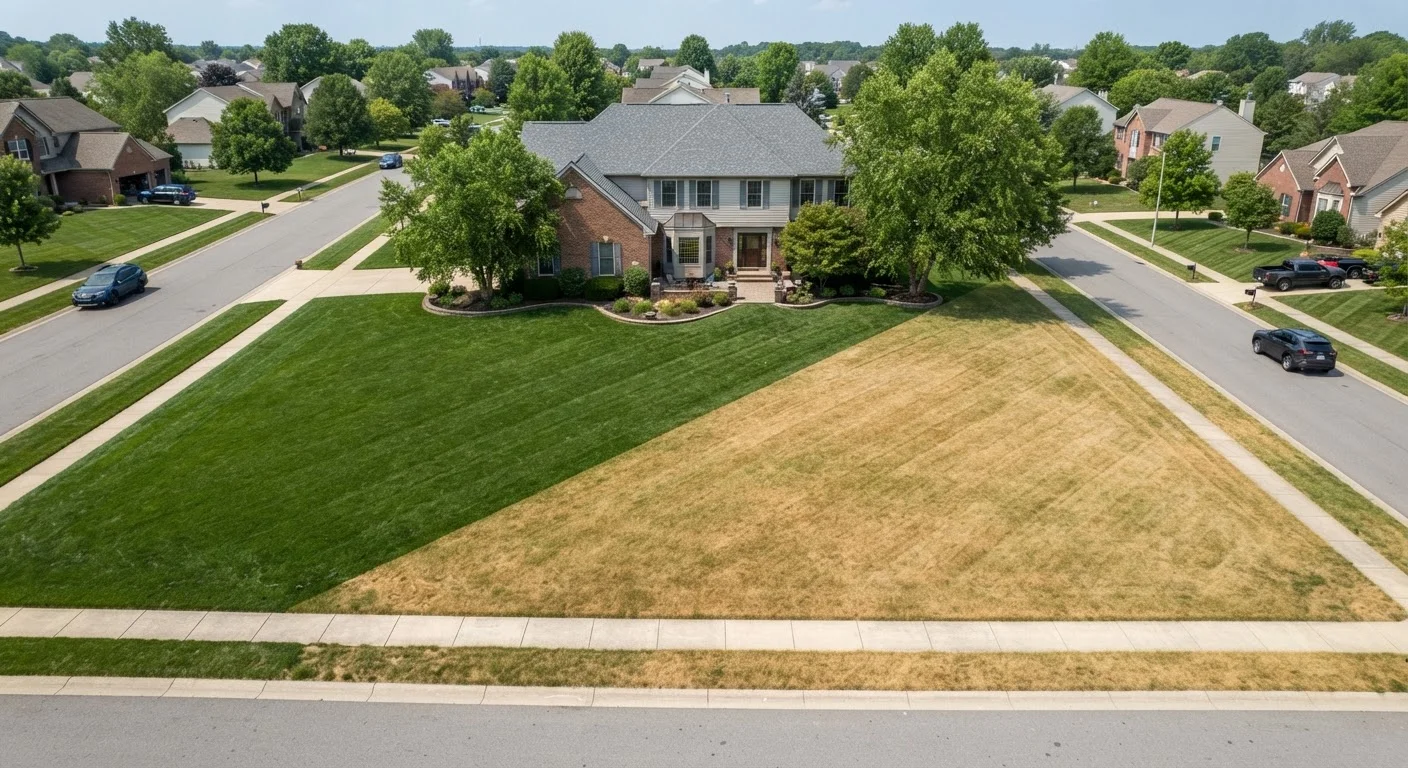
Photo: InsightsBlock.com | Access Information With Ease editorial
Key Takeaways
- Cool-season grasses grow most actively in spring and fall when soil temperatures are 50-65°F.
- Warm-season grasses thrive when soil temperatures reach 65-70°F and go dormant once frost arrives.
- Choosing the wrong grass type for your region dramatically increases water use, maintenance effort, and failure risk.
- The transition zone-roughly from Virginia to Kansas-can support both types but requires careful species selection.
- Timing of seeding, fertilizing, and aeration should align with each grass type's active growing season.
What Makes a Grass 'Cool-Season' or 'Warm-Season'?
The distinction comes down to each grass's optimal soil temperature range for root growth and shoot development. Cool-season grasses - including Kentucky bluegrass, tall fescue, fine fescues, and perennial ryegrass - are most productive when soil temperatures sit between roughly 50°F and 65°F. They green up early in spring, slow down during summer heat, and rebound strongly in fall.
Warm-season grasses - such as bermudagrass, zoysia, St. Augustine, centipedegrass, and bahiagrass - don't hit their stride until soil temperatures reach 65-70°F. They grow aggressively through summer and go fully dormant once temperatures drop toward freezing, turning straw-brown until warmth returns.
This biological difference shapes every other decision you'll make: when to seed, when to fertilize, how much to water, and when to expect the lawn to look its best. See our year-round lawn care seasonal playbook for a full season-by-season framework built around both grass categories.
| Criterion | Cool-Season Grasses | Warm-Season Grasses |
|---|---|---|
| Peak growth season | Spring and fall | Late spring through summer |
| Optimal soil temp | 50-65°F | 65-70°F+ |
| Winter behavior | Stays green or semi-green | Goes fully dormant (brown) |
| Summer heat tolerance | Moderate; may thin in heat | High; thrives in heat |
| Drought tolerance | Lower; needs consistent moisture | Generally higher |
| Best seeding window | Late summer to early fall | Late spring to early summer |
| Common species | Bluegrass, fescue, ryegrass | Bermuda, zoysia, St. Augustine |
| Ideal US region | Northern and Pacific Northwest | Southern and Gulf Coast |
Which Grass Type Belongs in Your Region?
The US is broadly divided into three lawn-climate zones. Knowing yours is the essential first step.
- Northern zone: States across the upper Midwest, Northeast, and Pacific Northwest experience cold winters and cool-to-mild summers. Cool-season grasses dominate here and perform reliably without extraordinary intervention.
- Southern zone: The Gulf Coast, Deep South, Florida, and much of the Southwest see prolonged heat and mild winters. Warm-season grasses are the clear match - cool-season varieties planted here typically struggle through summer and may not survive at all.
- Transition zone: A wide band running roughly from Virginia and North Carolina westward through Kentucky, Missouri, and Kansas presents the biggest challenge. Neither grass type is perfectly adapted. Tall fescue (cool-season) and zoysia (warm-season) are the most commonly recommended choices here, though each involves trade-offs.
If you are already dealing with a patchy or thinning lawn, identifying the grass type mismatch is often the first diagnostic step. Our article on why grass thins in patches covers how to distinguish climate stress from other causes like compaction, shade, or disease.
~1,000
Grass species found worldwide
Only a small fraction of the world's grass species are used in managed turf, with regional climate compatibility being the primary filter for selection.
65°F
Soil temp threshold for warm-season growth
University cooperative extension services consistently cite 65-70°F soil temperature as the minimum for reliable warm-season grass establishment and growth.
~30%
Of the contiguous US in the transition zone
The transition zone - where neither cool- nor warm-season grasses are perfectly adapted - covers a substantial portion of the central and southeastern United States.
Maintenance Timing Differs Significantly Between the Two Types
Applying the right practice at the wrong time is one of the most common - and avoidable - lawn mistakes. Because each grass type has a distinct active-growth window, the calendar for seeding, fertilizing, and aeration is essentially flipped between the two.
Cool-Season Grass Timing
- Seeding: Late summer to early fall (late August through October) is ideal. Soil is still warm enough for germination, but air temperatures ease the stress on new seedlings.
- Fertilizing: Fall is the priority feeding period. A lighter application in early spring supports green-up.
- Aeration: Early fall, just before peak growth, maximizes recovery. See our guide to lawn aeration timing for more detail.
Warm-Season Grass Timing
- Seeding or sodding: Late spring through early summer, once soil temperatures are reliably above 65°F.
- Fertilizing: Begin feeding after green-up in spring; continue through summer; stop 6-8 weeks before expected first frost.
- Aeration: Late spring to early summer, aligned with active growth.
Fall preparation is just as important for both types - our fall lawn prep checklist walks through the specific tasks for each grass category before winter arrives.
Watering and Drought Tolerance: Understanding the Difference
Water needs vary considerably between the two grass families - and within them. As a general pattern, warm-season grasses tend to use water more efficiently during hot weather, partly because many species can enter a temporary drought-dormancy and recover when moisture returns. Cool-season grasses require consistent moisture through summer to stay green; if they go drought-dormant, recovery depends on the species and the severity of the stress.
That said, water efficiency is only part of the picture. When you water and how deeply matters as much as how frequently. Deep, infrequent watering encourages roots to grow deeper regardless of grass type, building resilience. Our lawn watering schedule guide explains how to structure irrigation timing for both cool- and warm-season lawns across different seasons.
A Note on Overseeding in the Transition Zone
The content provided on our blog site traverses numerous categories, offering readers valuable and practical information. Readers can use the editorial team’s research and data to gain more insights into their topics of interest. However, they are requested not to treat the articles as conclusive. The website team cannot be held responsible for differences in data or inaccuracies found across other platforms. Please also note that the site might also miss out on various schemes and offers available that the readers may find more beneficial than the ones we cover.