
Lawn Aeration: What It Is, When to Do It, and Whether You Actually Need It

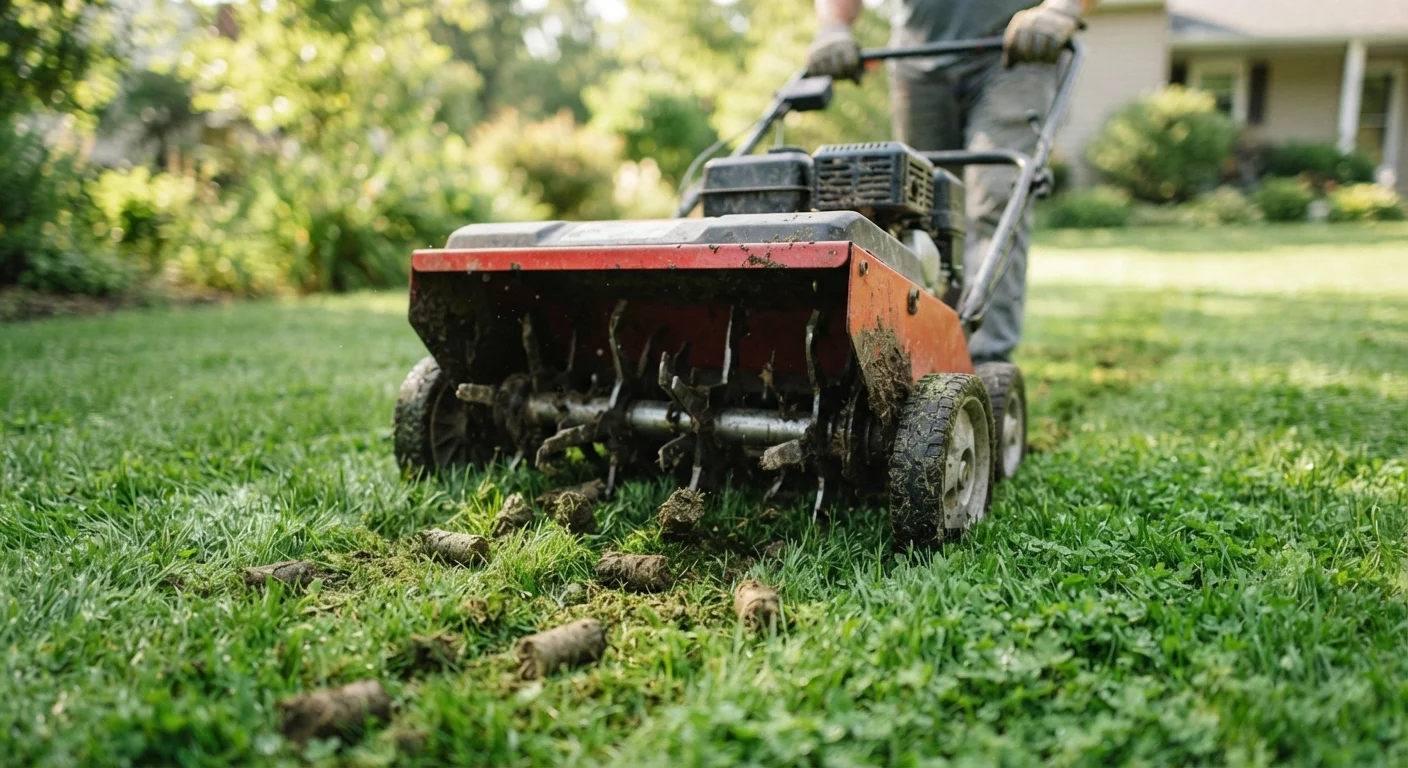
Photo: InsightsBlock.com | Access Information With Ease editorial
Key Takeaways
- Core aeration removes soil plugs; spike aeration is generally less effective and may worsen compaction.
- Cool-season grasses benefit most from fall aeration; warm-season grasses should be aerated in late spring.
- Compaction signs - water pooling, thin patches, hard soil - indicate aeration is genuinely needed.
- Not every lawn needs annual aeration; sandy soils and lightly trafficked yards may need it rarely or not at all.
- Aeration is most effective when followed by overseeding, fertilizing, and consistent watering.
What Happens to Soil Over Time
Soil doesn't stay loose and open on its own. Foot traffic, the weight of lawn equipment, rain impact, and even the natural settling of organic matter cause soil particles to press together over time. The result is compacted soil - a dense layer that restricts the movement of air, water, and nutrients.
When soil is compacted, grass roots struggle to grow deep. They stay shallow, making the lawn more vulnerable to drought, disease, and bare patches. You may notice water running off instead of soaking in, or feel the ground is almost cement-like when you walk on it. If your lawn has thin or patchy areas, compaction could be a contributing factor worth investigating before you invest in seed or fertilizer.
Clay soils compact more readily than sandy soils. Lawns used regularly by children, pets, or as parking overflow are especially vulnerable. Understanding your soil type and how your yard is used helps you judge whether aeration belongs on your maintenance list.
How Core Aeration Works
A core aerator - also called a plug aerator - uses hollow tines (metal tubes) that penetrate the soil surface and extract small cylindrical plugs of earth, typically about half an inch in diameter and two to three inches deep. These plugs are deposited on the lawn surface.
The holes left behind immediately open pathways for air, water, and nutrients to travel directly to root depth. Over the following weeks, roots grow toward those channels, and the removed plugs decompose and reintegrate into the lawn. The process does not harm healthy grass; in fact, the temporary disruption gives the lawn room to recover more vigorously.
Aerate When Soil Is Moist, Not Wet
Aeration works best when the soil is moderately moist - not waterlogged, but not dry and hard. Aerating a day after rainfall or after a thorough irrigation session makes the tines penetrate more effectively and extract cleaner plugs.
Spike aerators - either shoes with spikes or rolling tools with solid tines - do not remove material. They simply push into the soil, which can displace surrounding particles laterally and potentially worsen compaction. For most home lawns, core aeration is the more effective approach.
When to Aerate: Timing by Grass Type
Timing aeration to coincide with your grass's active growing season allows the lawn to recover quickly and take advantage of the improved soil conditions. The right window depends on whether you have cool-season or warm-season turf - something worth confirming if you are unsure. Our guide to cool-season vs. warm-season grasses can help you identify your turf type.
- Cool-season grasses (Kentucky bluegrass, tall fescue, perennial ryegrass): Aerate in early fall, ideally late August through October. Growth is vigorous in cooler temperatures, so the lawn recovers well and can be overseeded at the same time.
- Warm-season grasses (Bermuda, zoysia, St. Augustine): Aerate in late spring to early summer, once the grass has fully emerged from dormancy and is actively growing.
Avoid aerating during drought stress, during peak summer heat for cool-season grasses, or just before the first frost. Timing aeration alongside your seasonal lawn preparation routine helps stack the benefits.
½ inch
Thatch thickness that signals aeration may be needed
Turf management guidelines generally recommend aerating when the thatch layer - the layer of organic debris above soil - exceeds half an inch, as thicker thatch blocks water and nutrient movement.
2-3 inches
Depth of soil plugs removed by core aerators
Standard core aerator tines extract plugs roughly 2 to 3 inches deep, which is typically sufficient to penetrate the compaction zone found in most residential lawns.
1-2 weeks
Time for aeration plugs to decompose on the surface
Soil plugs left on the lawn after core aeration typically break down within one to two weeks under normal weather conditions, returning organic matter to the turf.
Do You Actually Need to Aerate?
Aeration is a useful tool - but it is not a universal annual requirement. Before scheduling it, use a simple test: push a screwdriver or pencil firmly into your lawn. If it slides in easily to about six inches, your soil is reasonably healthy. If it resists after two inches or less, compaction is likely significant enough to warrant action.
Additional signals that aeration may help include:
- Water pooling on the surface after moderate rain rather than soaking in
- Grass thinning in high-traffic zones while neighboring areas look healthy
- A spongy, thick thatch layer (more than half an inch) that blocks water penetration
- Lawn growing on heavy clay or a previously constructed site where soil was disturbed during building
Conversely, if your lawn grows on naturally sandy, well-draining soil with modest foot traffic, aeration every two to three years - or on an as-needed basis - may be sufficient. Over-aerating healthy soil provides little benefit and adds unnecessary wear. Pairing aeration with a soil health assessment, including a pH test, gives you a fuller picture before you commit to any treatment.
New Lawns Are an Exception
What to Do After Aerating
Aeration creates an ideal window for follow-up care. The open channels in the soil make this the most effective moment in your lawn's annual cycle to apply additional treatments.
- Overseed: Grass seed dropped after aeration makes direct soil contact through the holes, improving germination significantly compared to seeding an undisturbed surface.
- Fertilize: Nutrients applied after aeration reach root depth more efficiently. A slow-release fertilizer appropriate for your grass type and season is generally recommended.
- Water consistently: Newly aerated lawns and any overseeded areas need consistent moisture. See our guidance on lawn watering schedules to avoid the common mistake of watering too frequently in shallow bursts.
- Leave the plugs: Soil plugs on the surface will break down in one to two weeks. They return organic matter and microbes to the lawn - raking them away removes that benefit.
Used thoughtfully, aeration is one of the more impactful low-tech interventions available to homeowners. It does not require chemicals or expensive amendments - just the right timing, a suitable tool, and a few follow-up steps to help the lawn capitalize on the improved growing conditions.
Frequently Asked Questions
The content provided on our blog site traverses numerous categories, offering readers valuable and practical information. Readers can use the editorial team’s research and data to gain more insights into their topics of interest. However, they are requested not to treat the articles as conclusive. The website team cannot be held responsible for differences in data or inaccuracies found across other platforms. Please also note that the site might also miss out on various schemes and offers available that the readers may find more beneficial than the ones we cover.